
Soften cracked heels without putting a hand on your feet
A twist-up stick with 60% urea — it breaks down the hard skin itself, where a lotion only softens the surface
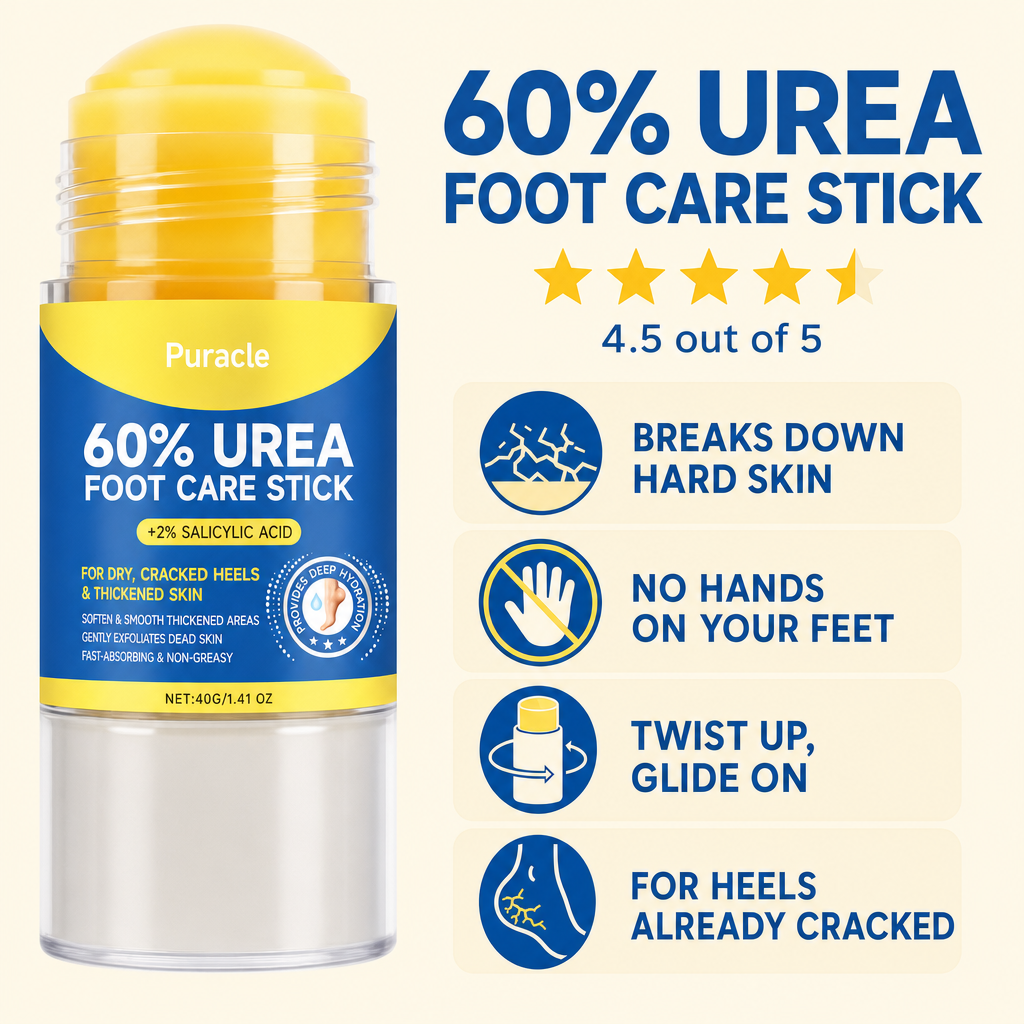
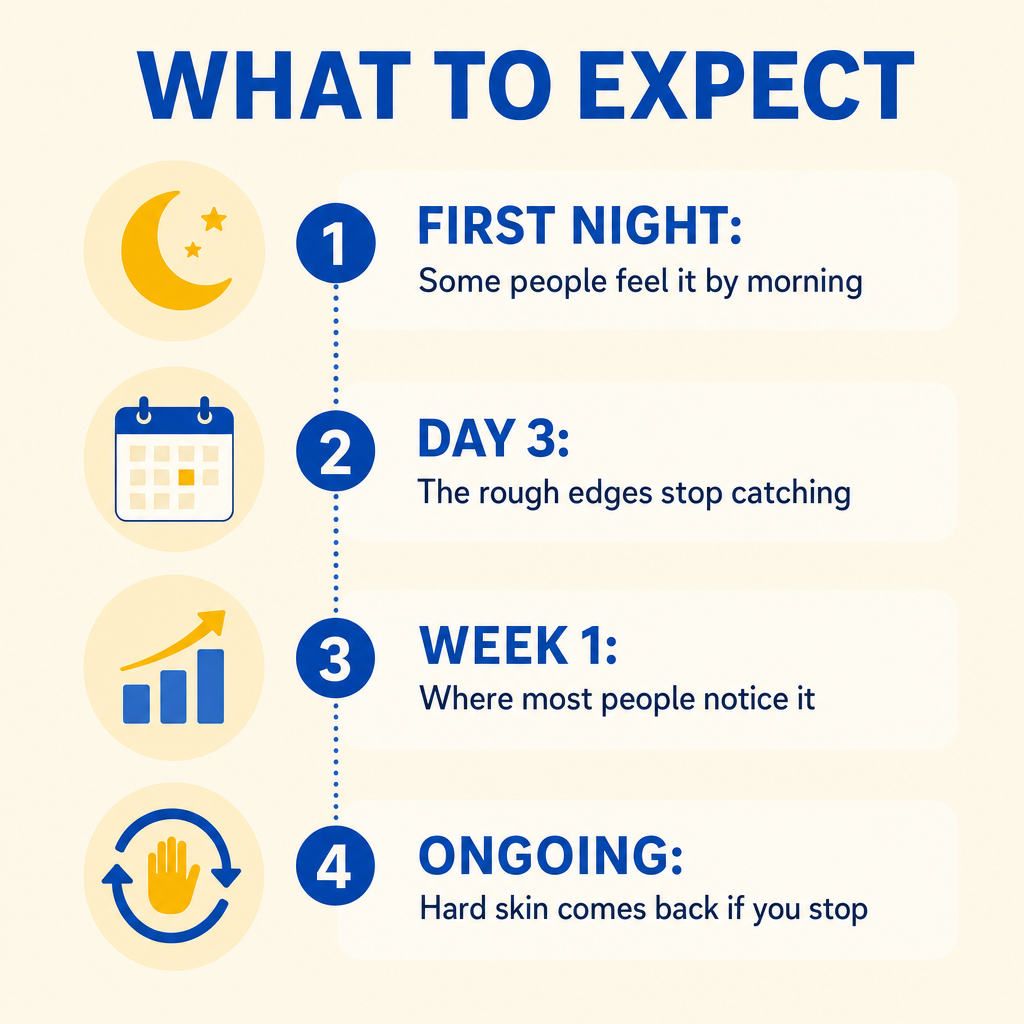
- Your heels stop catching on the sheets: the rough rim goes smooth enough that you stop noticing it — usually inside the first week.
- The pumice and the file stay in the drawer: no soaking, no filing, no bending down to reach your own feet.
- The splits that made standing sore close over: deeper hard skin takes longer, which is why most people keep a second stick going.
- It works on heels that have already cracked: built for skin that has hardened and split, not just for keeping soft feet soft.
Poured in small numbered batches, and we say where each one is up to.
60-day money-back guarantee, opened sticks included.
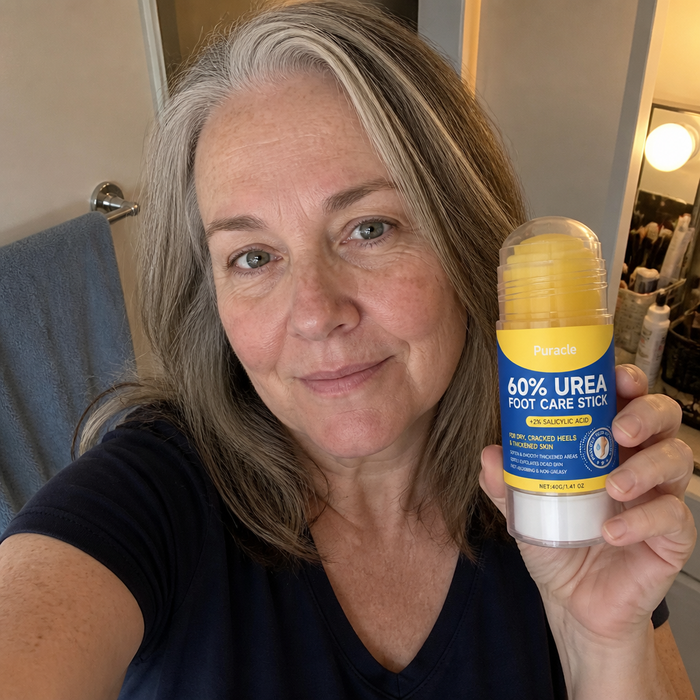
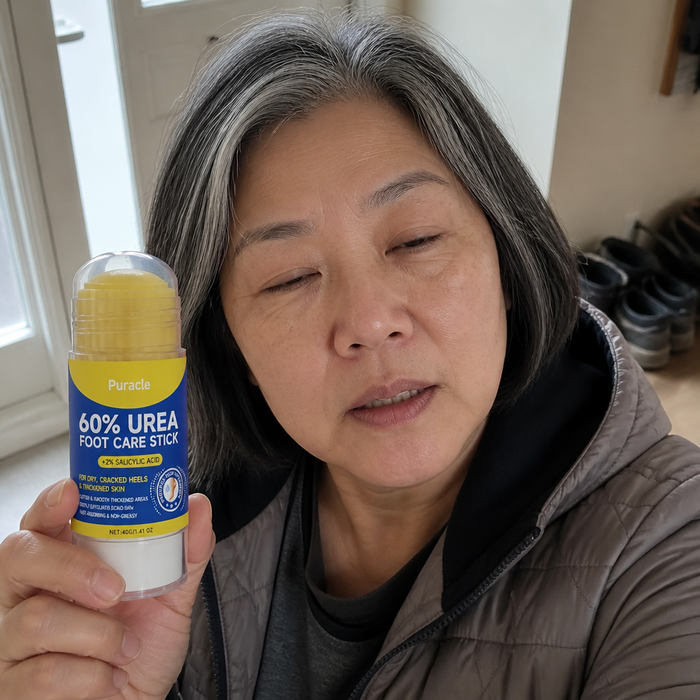
My sister asked what I'd had done
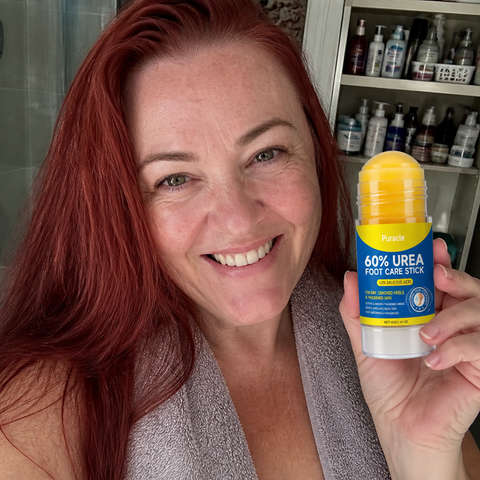
She meant my feet, which nobody has ever commented on in a good way. I had been putting this on at night with socks over the top for about three weeks. The rim along the back of both heels went from something I picked at to something I forgot about. I wore sandals to a barbecue without thinking it through first.
Denise R. · Verified Buyer
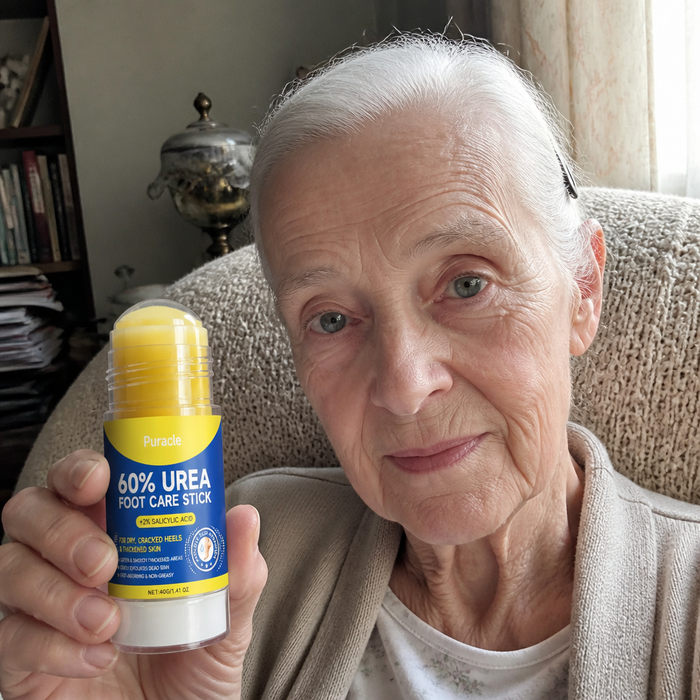
Noticed it the next morning
I did not expect anything that fast. I put it on standing at the sink, went to bed, and the hard ridge along the back of my heel had softened by morning. It was not gone in one go and I would not pretend it was, but I could feel the difference the first time, and that is what made me keep going with it.
Marisol T. · Verified Buyer
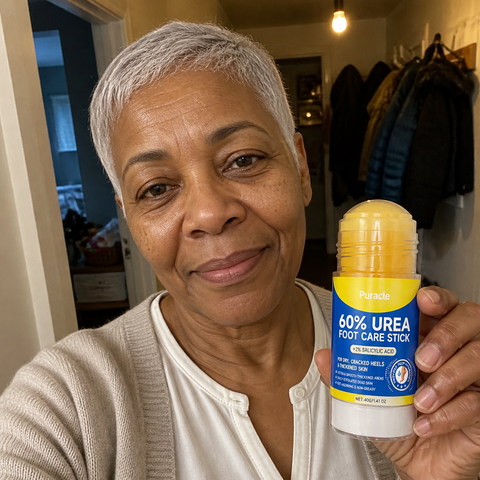
I never touch my feet now
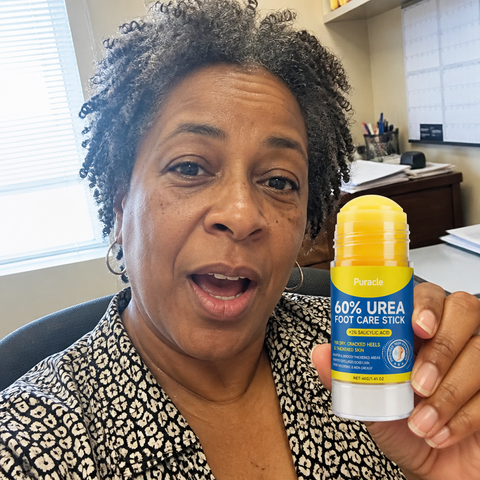
That is genuinely the reason I reordered. I twist it up, run it over the rough parts standing up, and put my socks on. No basin, no file, no sitting on the edge of the bath trying to reach. My old foot cream is still in the cupboard half used, because this is just easier at the end of a day.
Frances O. · Verified Buyer
How it works
Urea is a keratolytic, which means at a high enough concentration it breaks down the bonds holding hardened dead skin together rather than just adding water to it. This one is 60%. The 2% salicylic acid works alongside it, loosening the surface that is ready to come away. So it hydrates and thins the hard layer at the same time — that is the difference between softening the top of a callus and reducing the callus.
Will it work if my heels are already cracked and sore?
That is what most people here came for. It is built for skin that has already hardened and split rather than for prevention. If a crack is deep or bleeding, or if you are diabetic or have circulation problems, have a doctor look at your feet before you use anything on them.
Does it feel greasy?
It sinks in faster than a thick foot cream and most people say it leaves no film. It is still a balm, so a thin layer works better than a thick one — a couple of passes over the rough areas is plenty. Most people use it at night with socks on, which keeps it where they put it. In the morning, use less and give it a minute before shoes.
How long does one stick last?
The stick is 40 g. Used nightly on both heels, about a month. That is the honest answer and it is why the multi-stick options exist — the commonest complaint about sticks like this is running out part-way through sorting the problem.
Ingredients
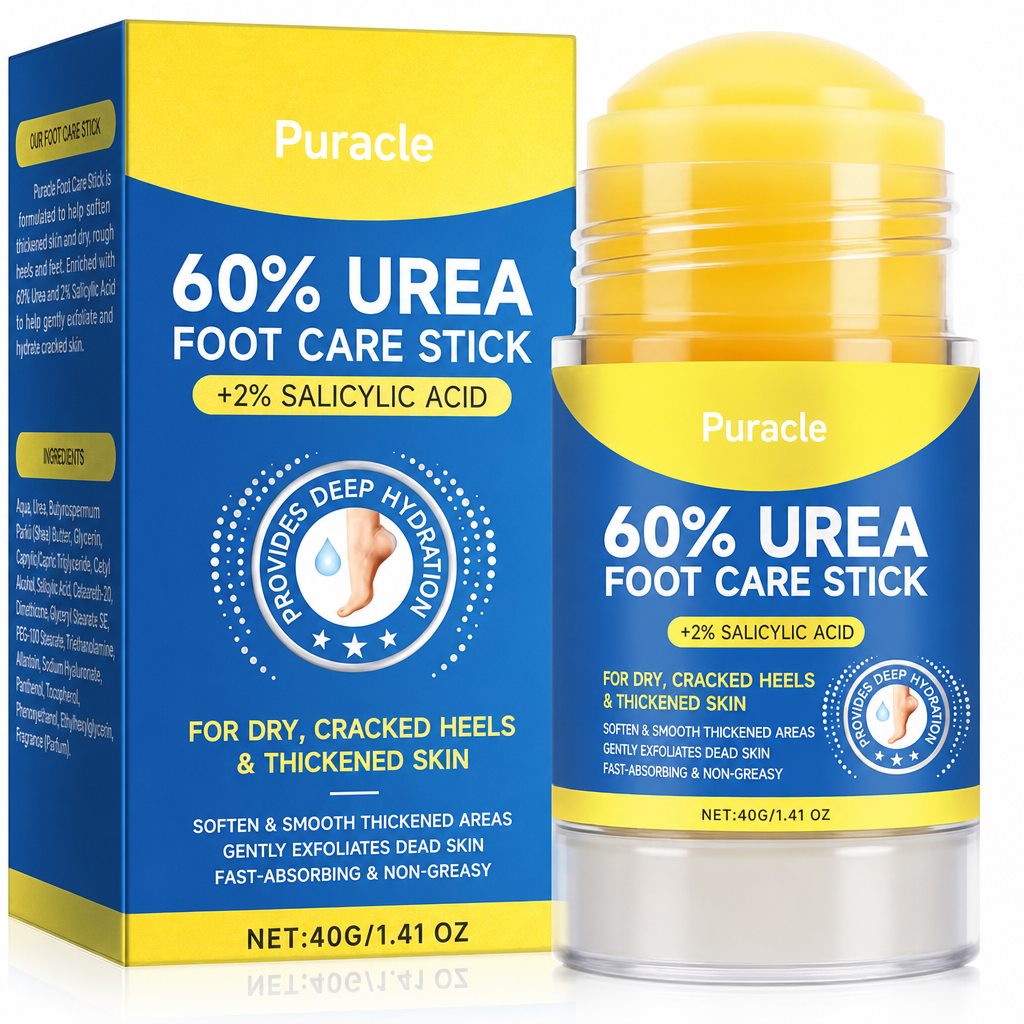
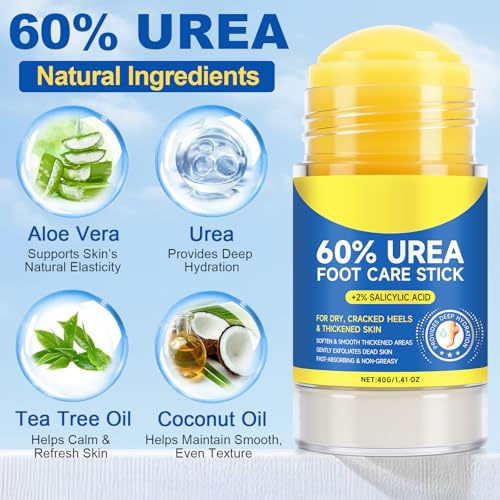
60% urea and 2% salicylic acid, with aloe vera, tea tree oil and coconut oil in a balm base. 40 g twist-up stick. For external use only, on feet. Avoid broken skin. Keep away from eyes.
Shipping & returns
Shipping is calculated at checkout and you will get tracking as soon as your order leaves us. If it is not doing anything for you, email us within 60 days for a refund — opened sticks included. You do not need to send anything back.
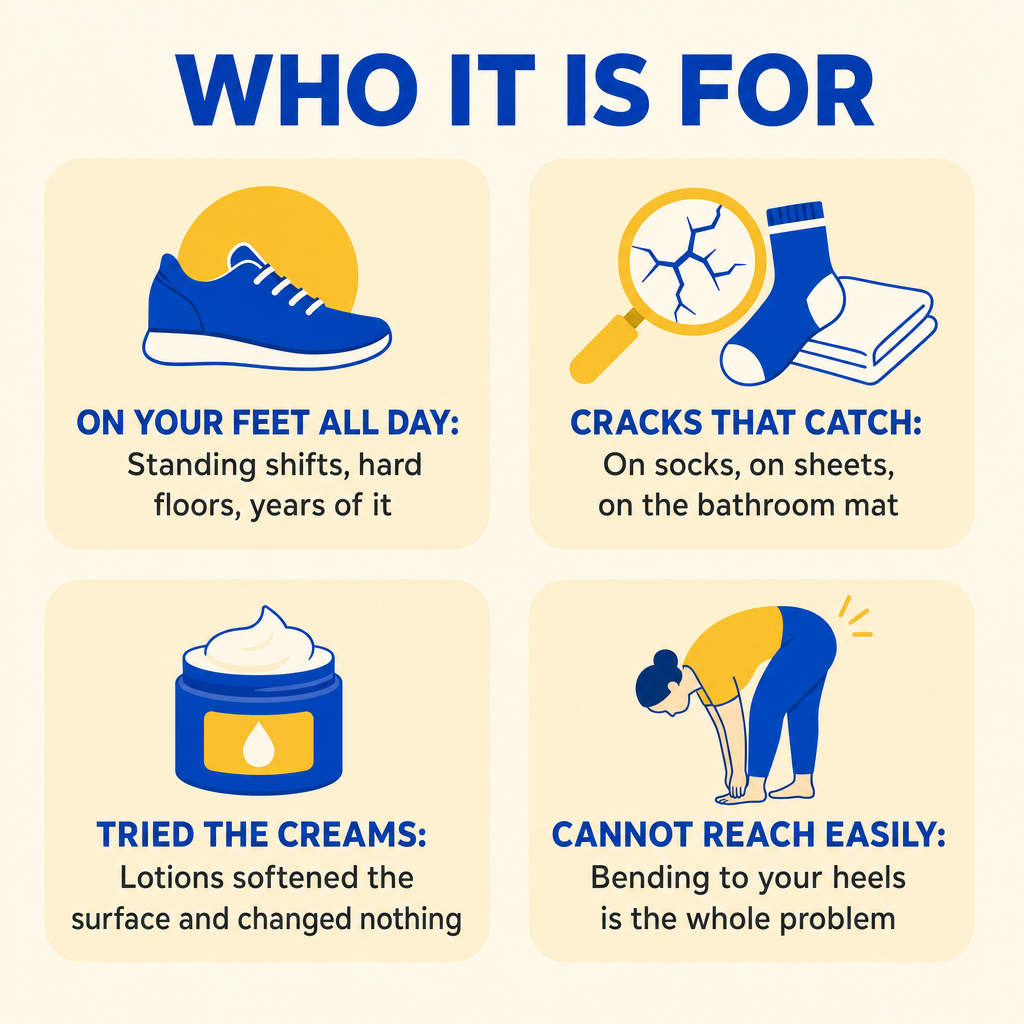
You notice it on the sheets first. Then on your socks, where the rim of your heel catches the cotton and pulls at it.
By the evening, standing has made it sore, and there is a split at the back you keep meaning to do something about.
There is a tub of foot cream in the bathroom. You have been using it for years.
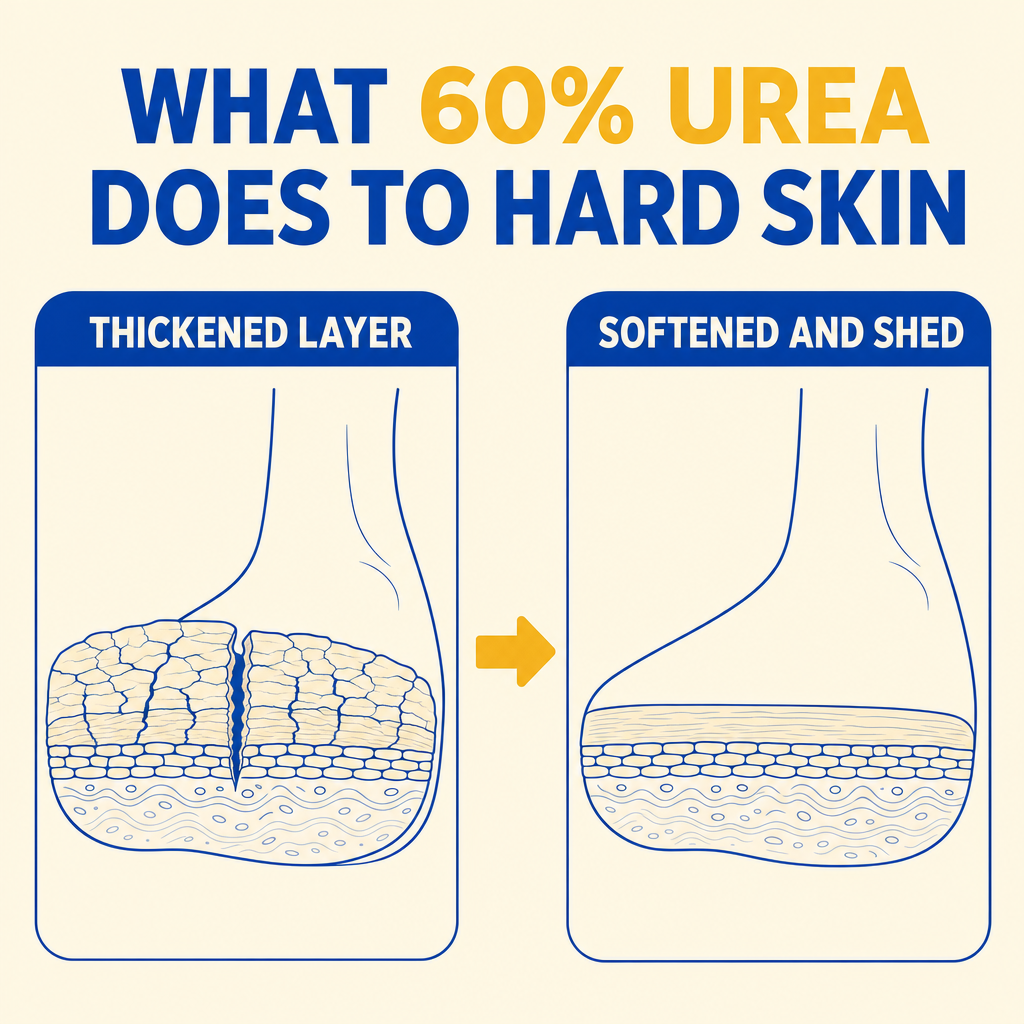
Here is the part nobody explains: hard skin is not dry skin. It is a thickened layer, and water does not take a layer off. That is why the cream sinks in, feels good for an hour, and leaves the ridge exactly where it was.
That layer is the thing this stick was built to work on.
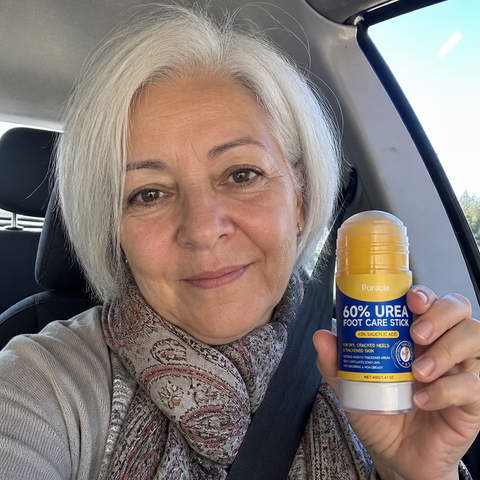
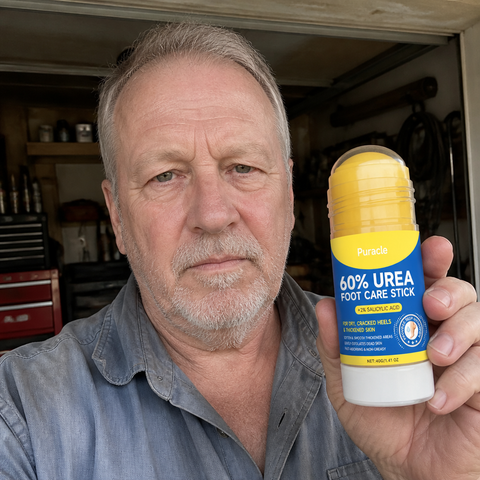
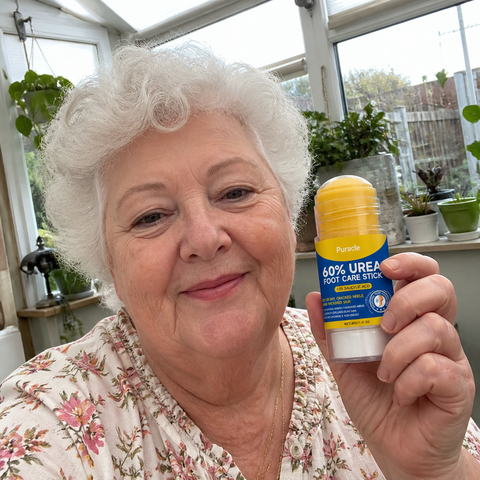
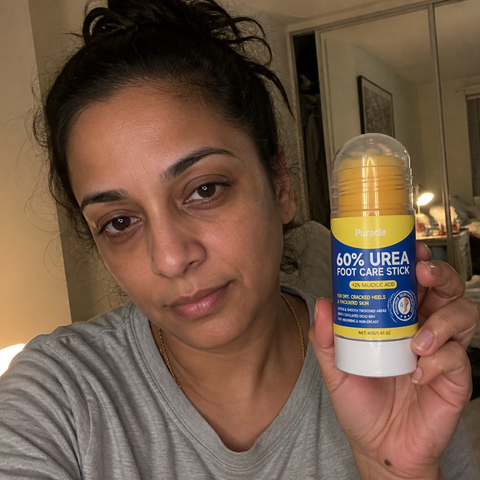
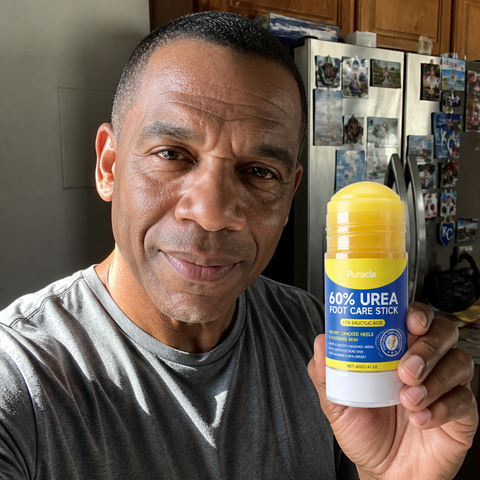
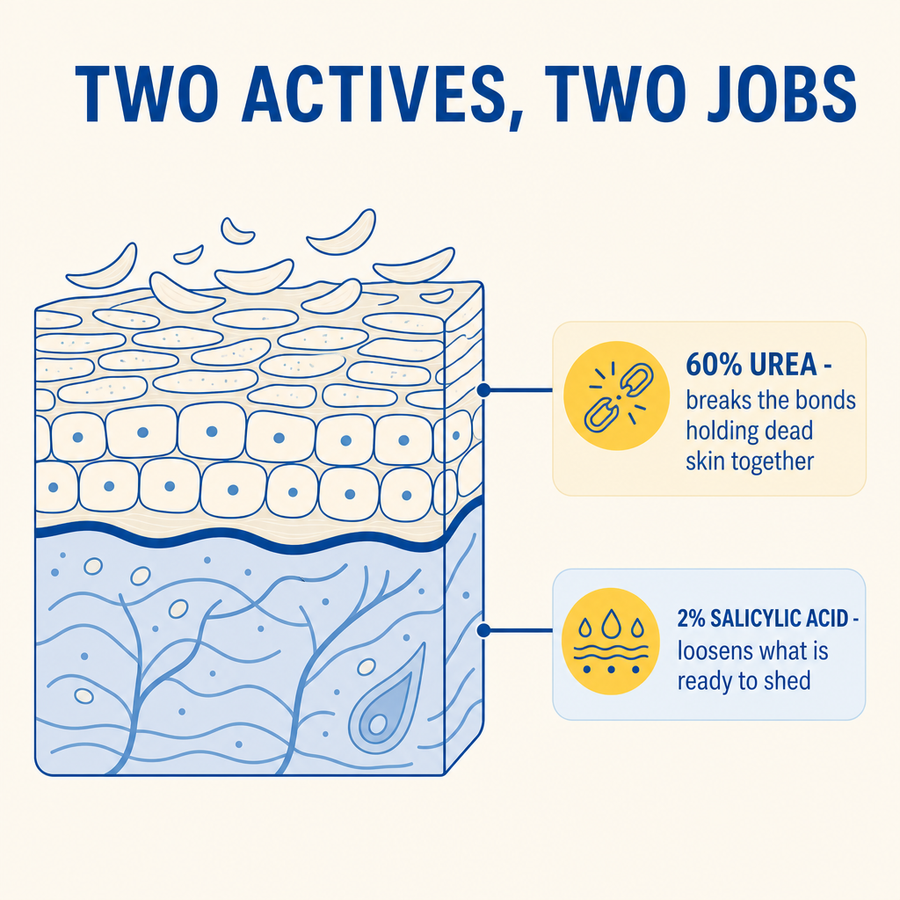
Two actives, two jobs
Most foot creams are 10 or 20% urea, where it behaves as a humectant — it holds water in the skin and it feels good. At 60% it does something different: it breaks the bonds holding hardened dead cells together, so the thickened layer thins instead of just softening on top. The 2% salicylic acid works alongside it, loosening what is already ready to shed. Aloe vera, tea tree oil and coconut oil sit in the balm base and keep it from stripping.
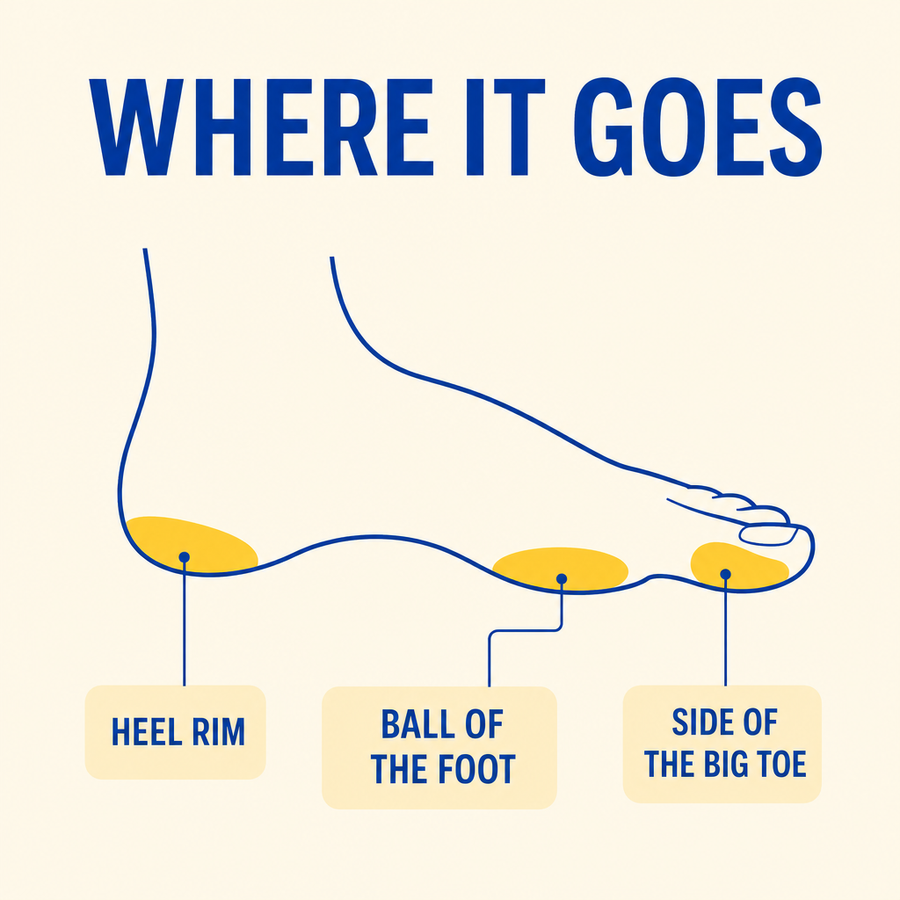
Smooth enough to stop thinking about them
The rim of the heel is where it starts and it is where people notice the change first — socks stop catching, and the edge you could feel with a thumbnail stops being there. The ball of the foot and the outside of the big toe are the other two places hard skin builds, and they take a little longer because the skin is thicker. Most people are using it nightly, on dry feet, with socks over the top.
What is actually happening to the hard layer
A callus is a layer your foot built on purpose, in response to pressure. Nothing that only adds water takes a layer off — which is why the creams kept sinking in and the ridge kept coming back. At 60%, urea works on the layer itself, and the split closes because the skin either side of it is no longer rigid.
Most people are describing this over their first week or two.
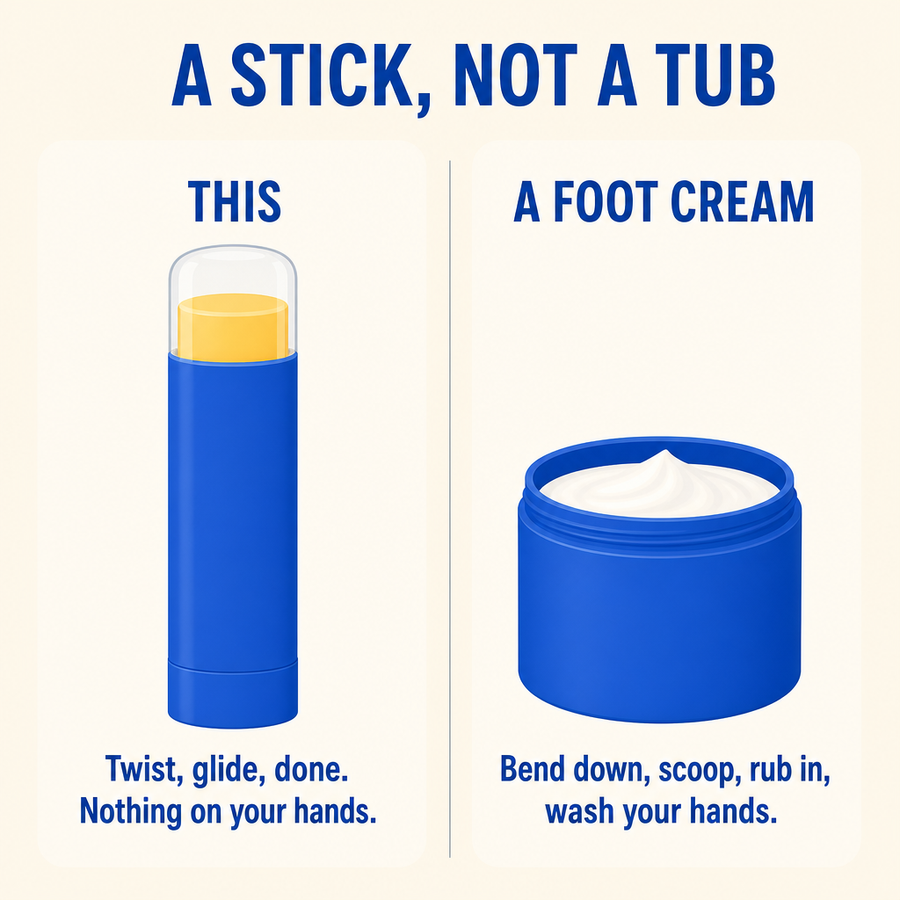
A stick, not a tub
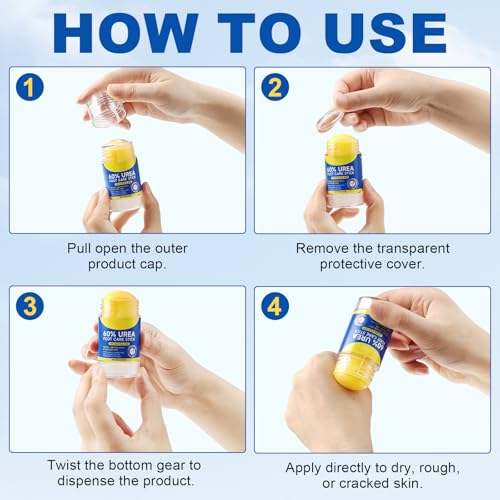
This is the part people did not expect to care about and then reorder for. A tub means bending down, scooping, rubbing it in with your hands and then washing them. The stick twists up and glides on standing at the side of the bed, and nothing touches your hands. If reaching your own feet is uncomfortable — and for a lot of people that is the actual problem, not the cream — that difference is the whole thing.
What to expect
What people say
“I had thirty years of pedicures and the hard skin always came back by the next one. Six weeks with this and the woman who does my feet asked what I had changed.”
Ruth A. · Verified Buyer“I work outdoors and my heels split every winter until they hurt to walk on. I have not had a split open since February, and I am not doing anything else differently.”
Gerald P. · Verified Buyer“I used to keep my feet in shoes at the pool so nobody would see them. Last month I walked to the loungers barefoot and did not think about it until afterwards.”
Kathleen B. · Verified Buyer“Twenty and forty per cent urea creams did nothing for me. I assumed mine were too far gone for anything you buy without a prescription. This one thinned them down in about a week.”
Paulette M. · Verified BuyerQuestions
How is this different from the foot creams I have already tried?
Concentration, mostly. Drugstore foot creams are usually 10 to 25% urea, where urea holds water in the skin. At 60% it is doing something else — breaking down the bonds in hardened dead skin so the layer thins. That is why a cream can feel lovely and leave the callus exactly as thick as it was.
When will I see a difference?
Reviewers report anywhere from the first morning to about a week, and most cluster around the first week. Deeper hard skin and old splits take longer. If nothing has changed for you after a fortnight of nightly use, it is probably not going to, and the guarantee covers that.
How do I use it, and can I use it with anything else?
On dry feet, at night. Twist it up, run it over the rough areas a couple of times, and put socks on to keep it there. You do not need to file or soak first. Leave a gap of a few hours if you are using anything else medicated on the same skin, and do not use it on broken or bleeding skin.
Will it sting? My heels are already sore.
On intact skin, most people feel nothing. Salicylic acid at 2% is low, and it is in a balm rather than a solution. If you have an open crack it can sting there, so go around it until it has closed rather than over it.
What if it does not work for me?
Email us within 60 days and we will refund you, opened sticks included. You do not need to send anything back. We would rather you told us it did nothing than quietly never buy anything again.
1,847 reviews
Sandals, in public, without thinking about it
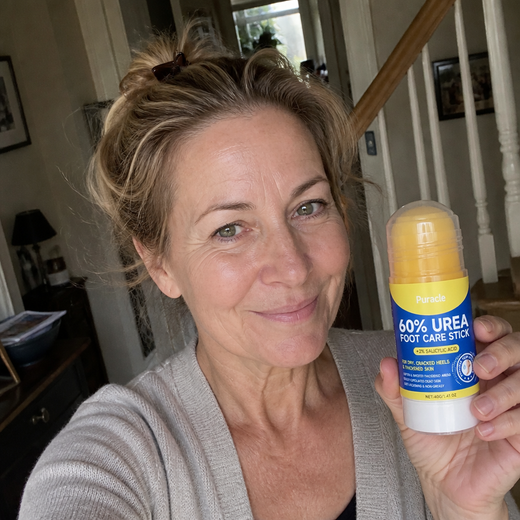
Three weeks in and I stopped hiding my feet. I had been wearing trainers at the pool for two years. The rim of both heels went smooth and I wore sandals to a barbecue without planning it first.
60% Urea Heel & Callus Stick
Was this helpful? [16] 0
No split this winter for the first time
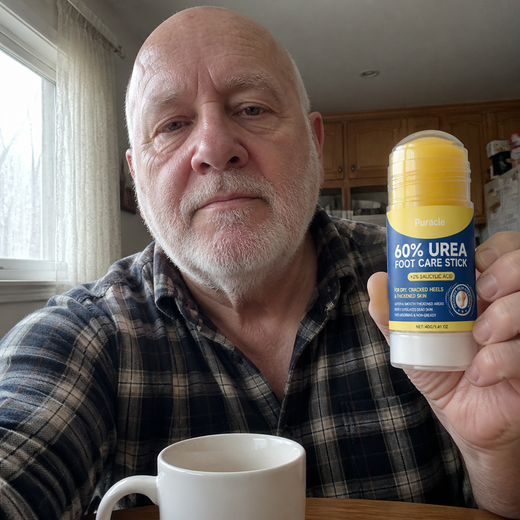
Mine split every winter until walking hurt. I am on my second stick and nothing has opened up since February. I put it on standing up before bed and that is the whole routine.
60% Urea Heel & Callus Stick
Was this helpful? [23] 0
Softer by the morning after one go
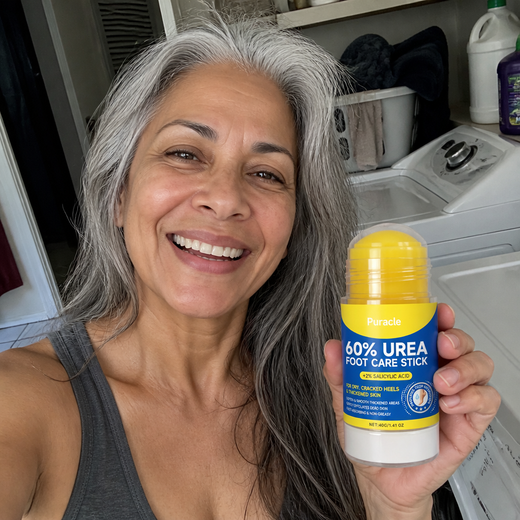
I honestly thought it would take weeks. I put it on at the sink, went to bed, and the ridge at the back of my heel was soft by morning. Not gone — but I could feel it, and that was the first night.
60% Urea Heel & Callus Stick
Was this helpful? [30] 0
Works, but you do run out
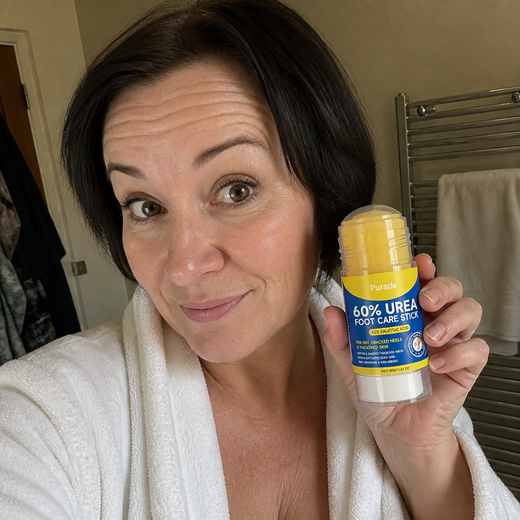
It does what it says and my heels are better than they have been in years. The one thing I would say is it goes quicker than you expect — one stick is about a month for me, so I buy the three now rather than running out halfway.
60% Urea Heel & Callus Stick
Was this helpful? [37] 0
Thirty years of pedicures, and this did more
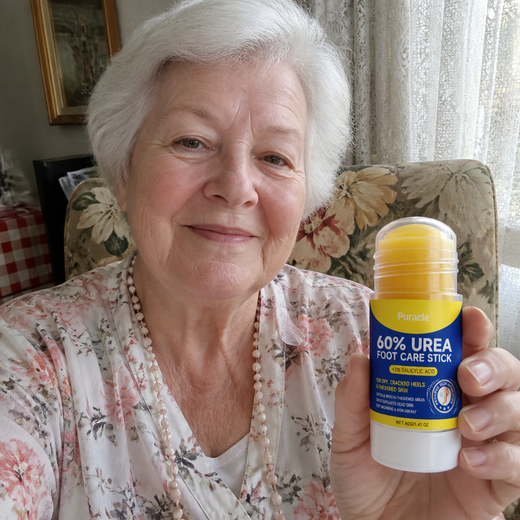
Thirty years of professional pedicures and the callus always came back before the next one. Six weeks of this and the woman who does my feet asked what I had changed. That is the whole review.
60% Urea Heel & Callus Stick
Was this helpful? [44] 0