

They live by the front door now
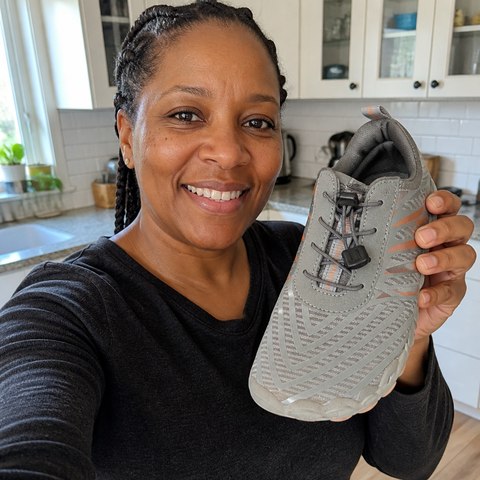
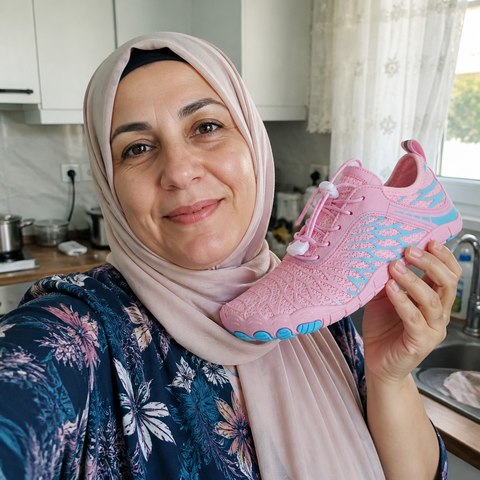
Caregiver, on my feet all shift. Put my own orthotics in and made them my house shoes. Calves ached the first week, then stopped.
END OF SUMMER SALE - while Run 3 lasts
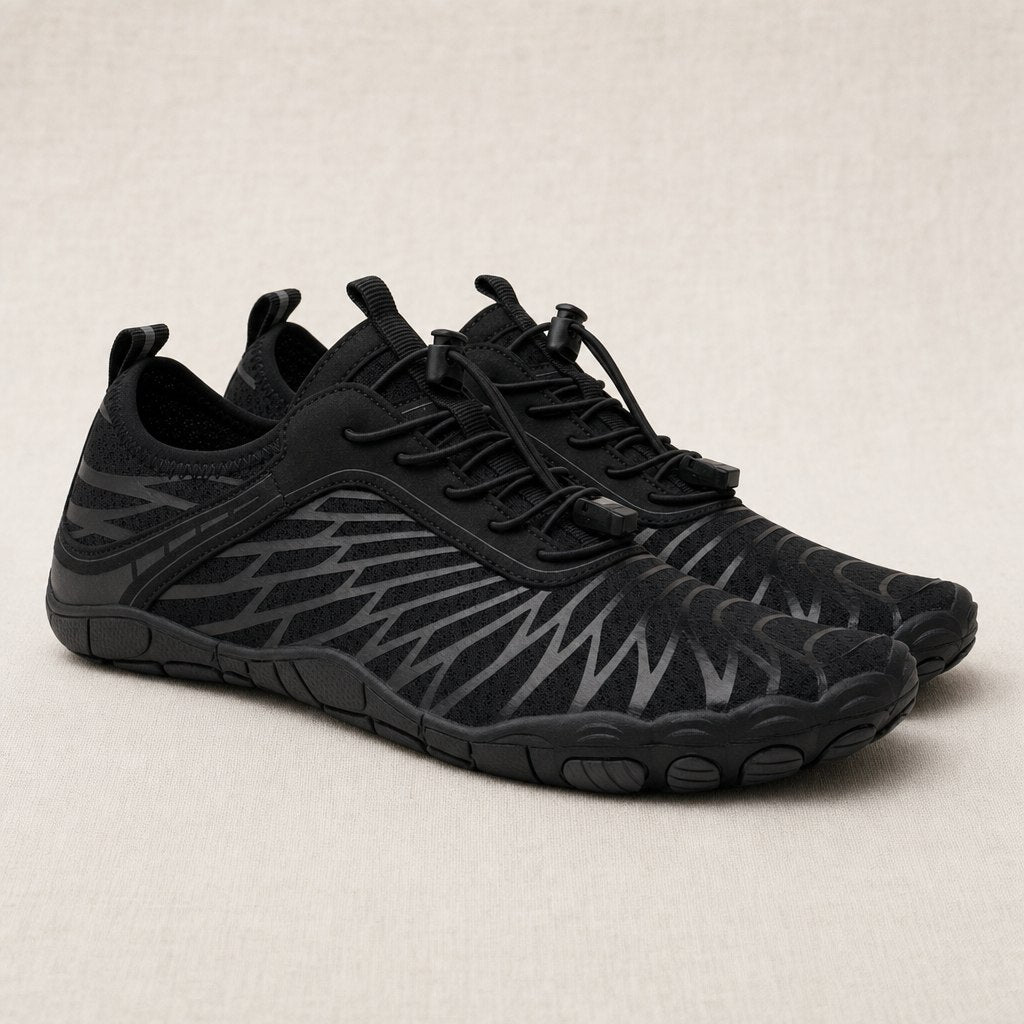
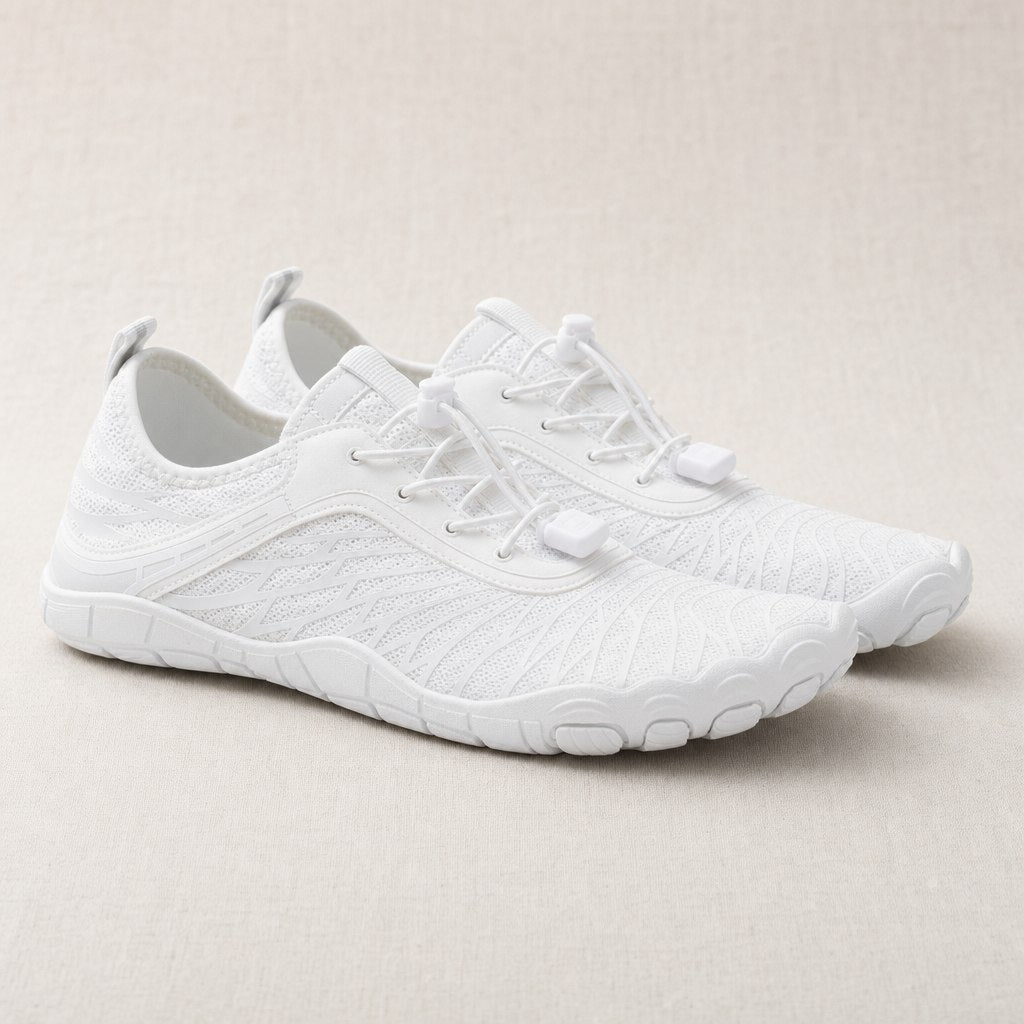
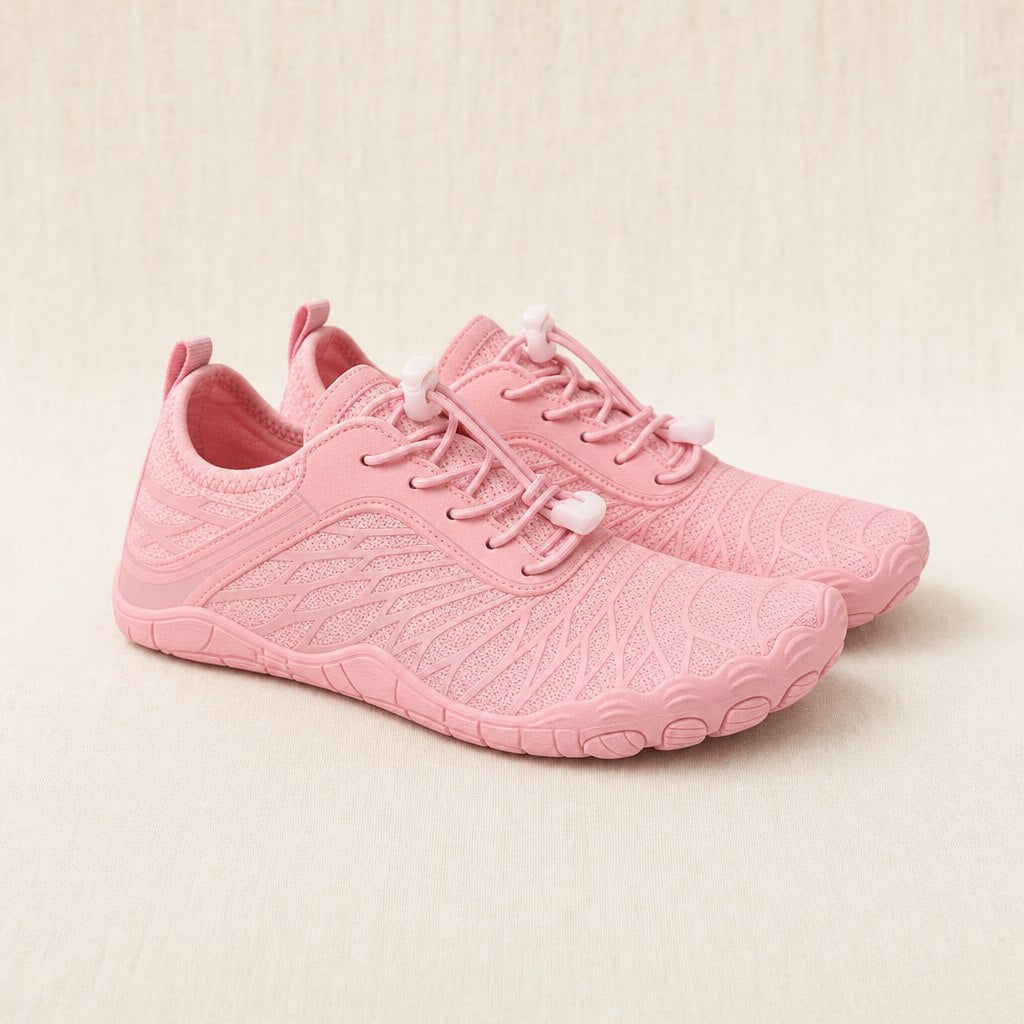
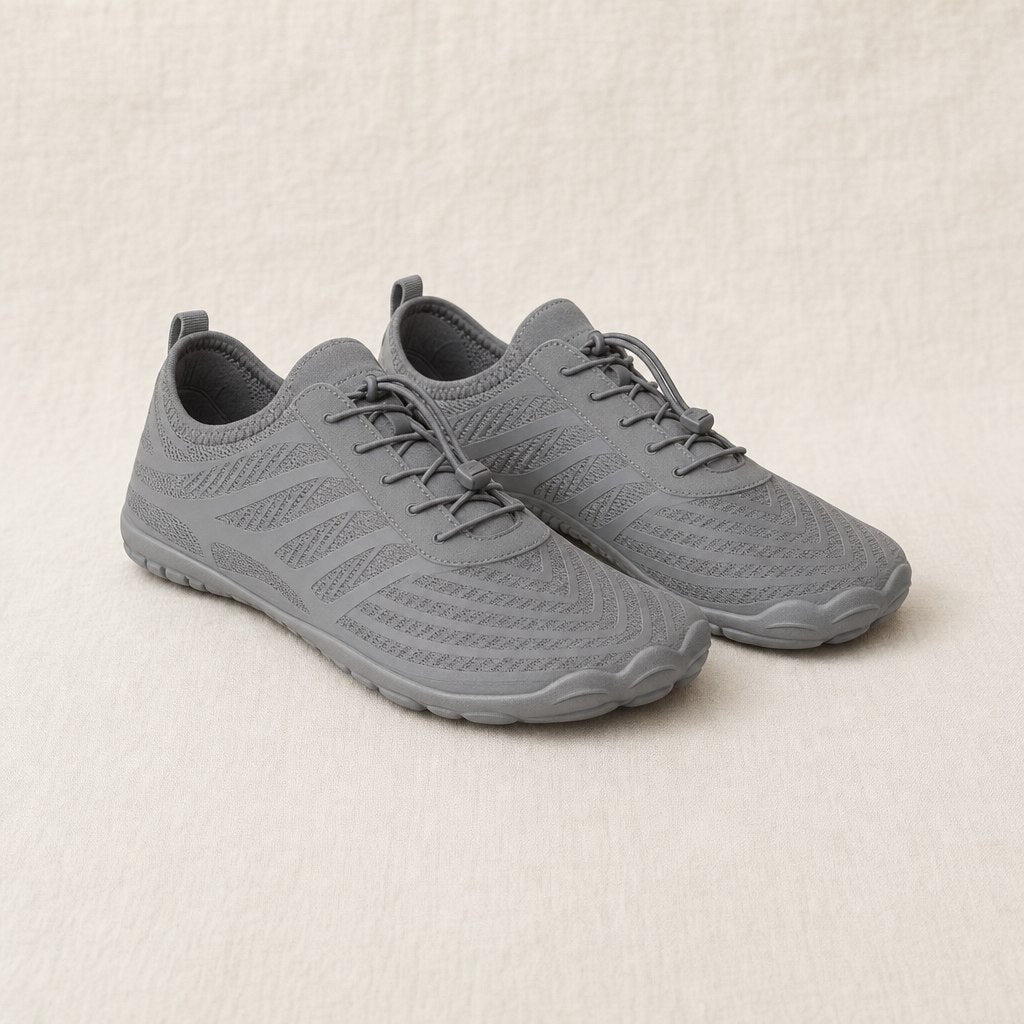
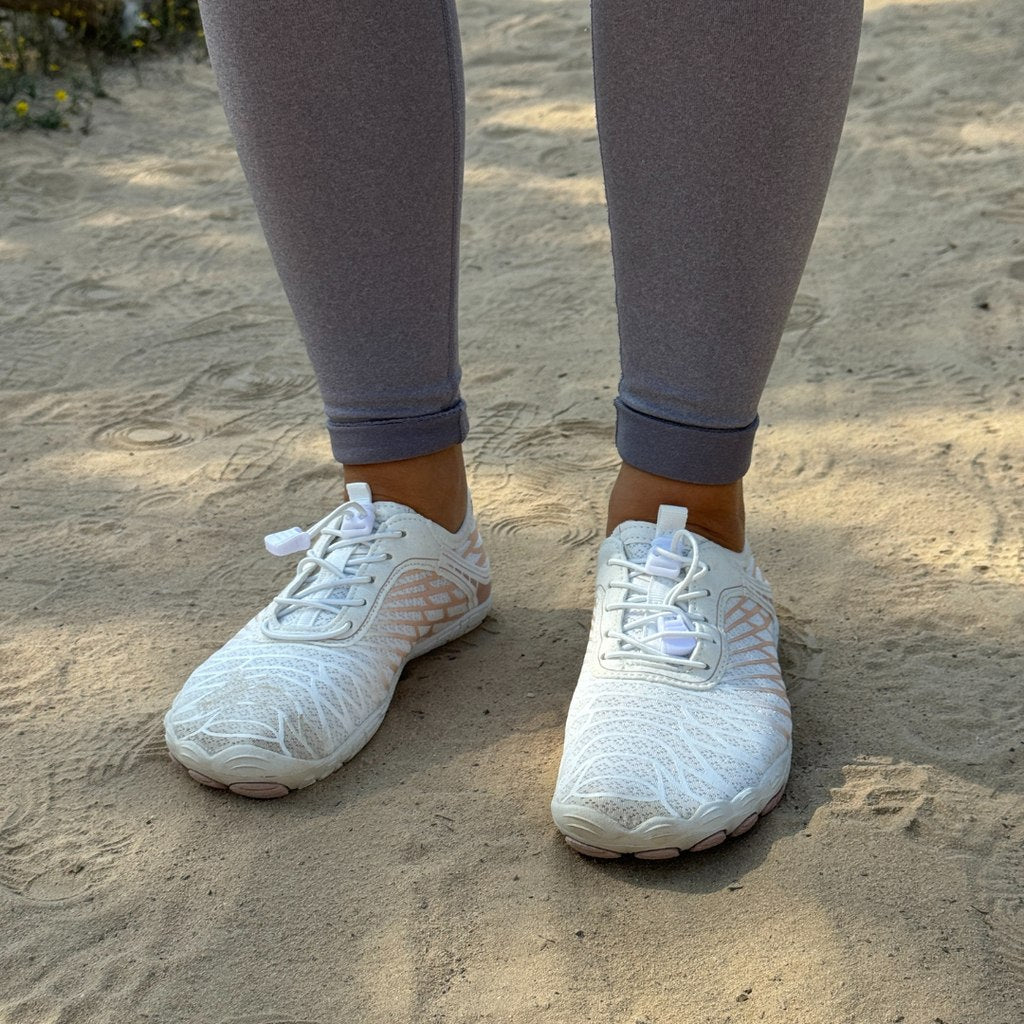
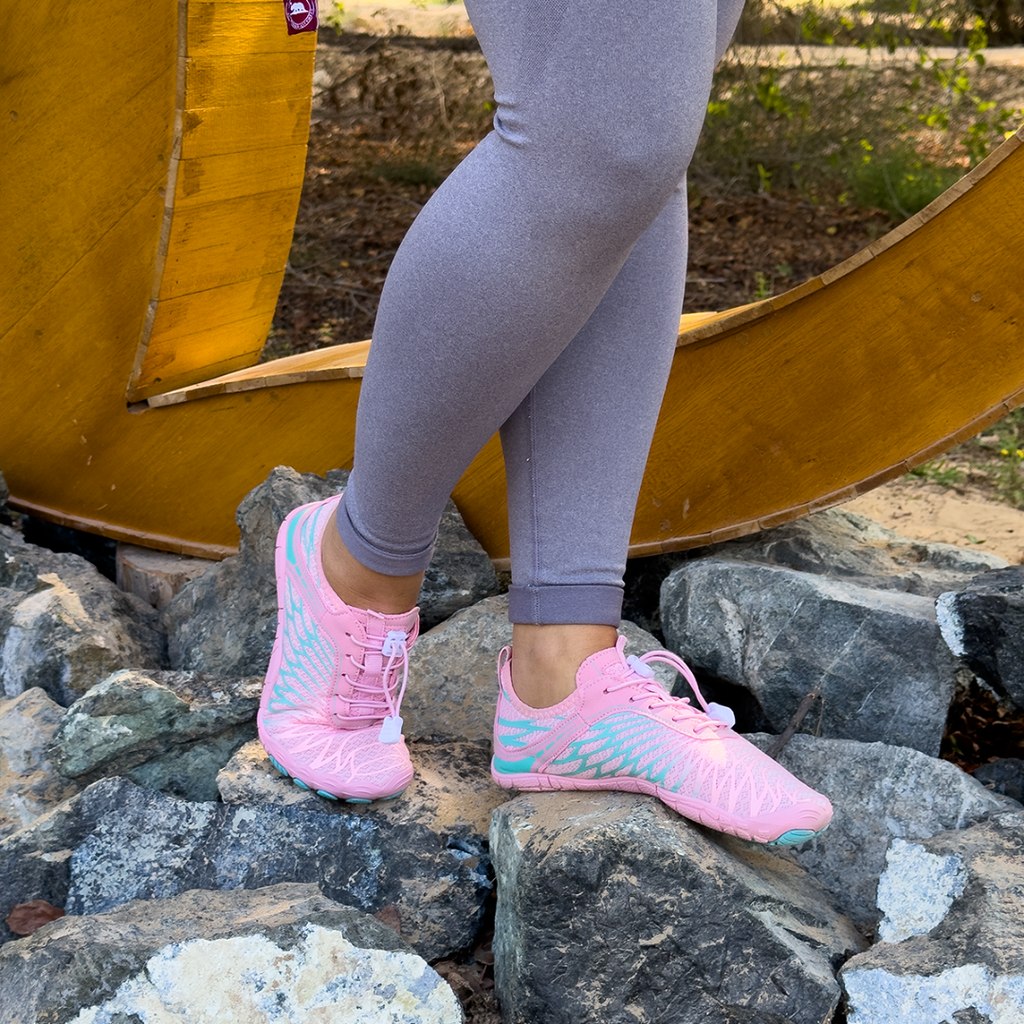
Caregiver, on my feet all shift. Put my own orthotics in and made them my house shoes. Calves ached the first week, then stopped.

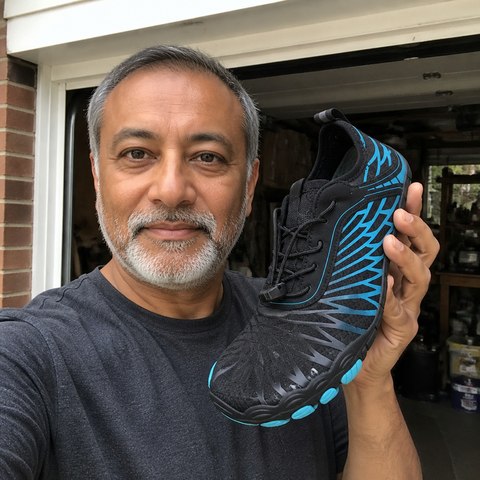
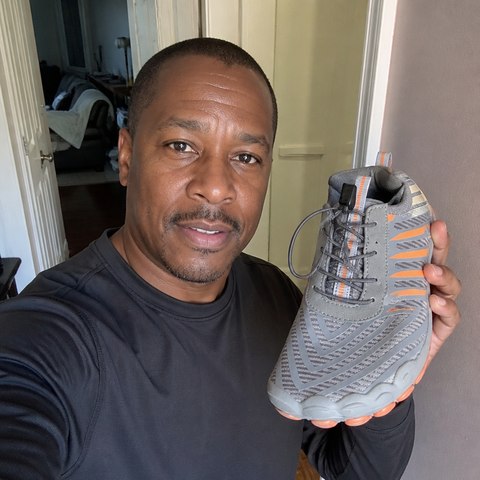
Bought them for sore soles. Did not expect the lower back to settle too, but by week three I had stopped stretching it out.

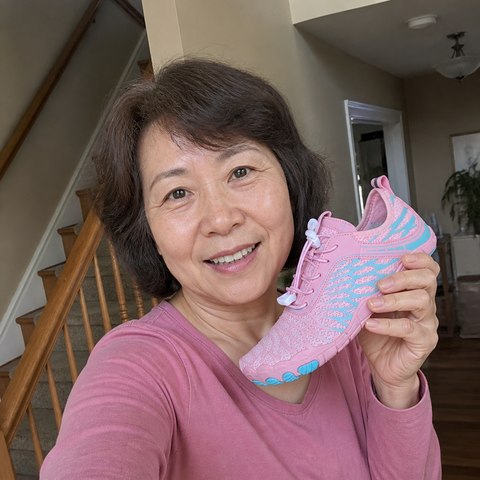
Broad forefoot, and every sneaker I own pinches by lunchtime. These do not. Ordered my normal size and they fit first time.

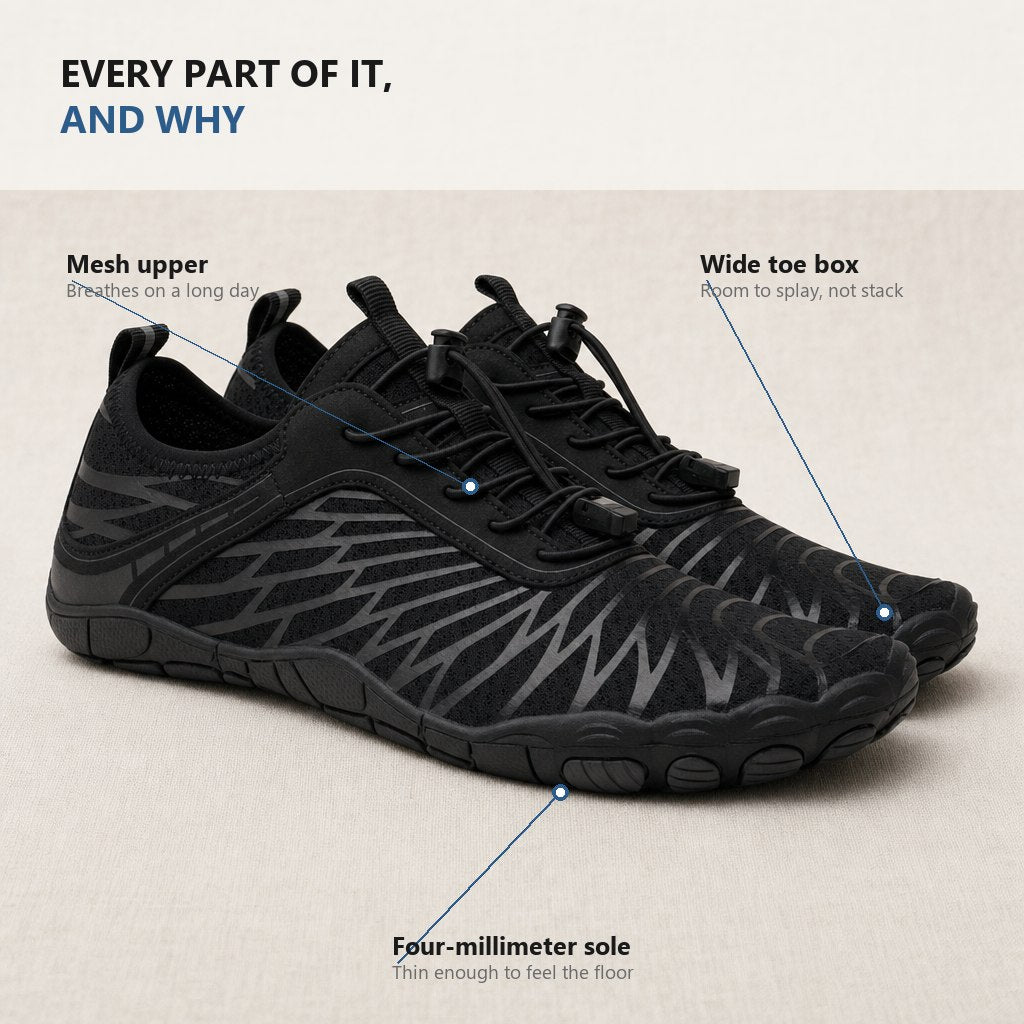
Four-Millimeter Sole
Thin enough to feel the floor through, so your foot reads the ground instead of guessing at it.

Wide Toe Box
Your toes spread the way they were built to, rather than being pressed together for eight hours.

Level Heel To Toe
Nothing built up under the heel, so your weight sits where it belongs and your posture follows.

Bends With You
A sole flexible enough to roll through a full stride instead of slapping down flat.
4.6 out of 5 · 3,100 pairs walking
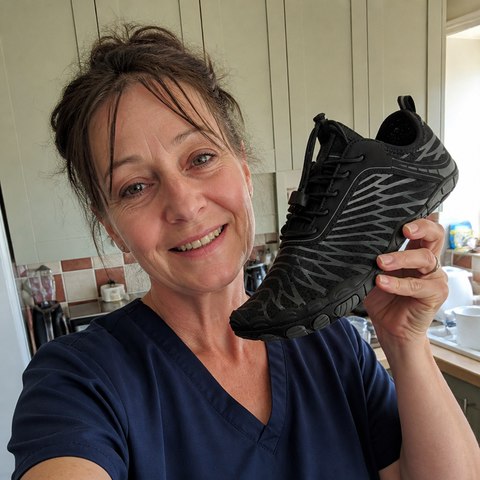
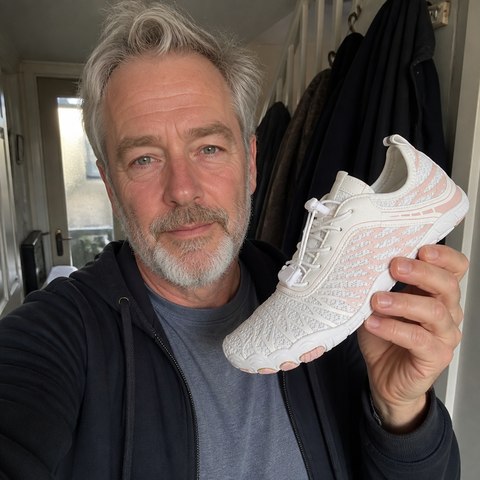
Sneakers and work boots are built around a thick, rigid sole and a toe box that tapers. Wear them for enough years and the small muscles in your feet stop working, because nothing is asking them to. That is when the soles start aching by mid-afternoon, and why the same day often ends with a sore lower back that has nothing obviously to do with your feet.
In a barefoot shoe you feel the ground again. Your foot spreads on contact, your stride comes back to the shape it had before the shoes changed it, and the joints stacked above stop bracing against a heel that was never level.

The sole is four millimeters and level from heel to toe, so every step lands the way it would barefoot on grass. Your feet start doing their own work again, which is what takes the strain back off the knees and the lower back over a few weeks of ordinary wear.

The closed rubber outsole grips wet floors, loose gravel and hot pavement, and it keeps stones and sharp edges away from the underside of your foot. Breathable synthetic fibers run through it, so a sealed sole does not turn into a hot one.

They weigh almost nothing and bend where your foot bends. No stiff shank fighting your stride, no heavy heel unit to swing through. The upper gives where your foot is widest and holds everywhere else, which is what a shoe that fits is supposed to do.
Three weeks in and I have stopped taking my shoes off the second I sit down.
Marguerite T., verified buyer
I am on a ward twelve hours at a time. These are the first pair that do not have me limping to the car.
Paul R., verified buyer
My toes actually sit flat. I had forgotten that was how they were supposed to go.
Yvonne A., verified buyer
The first two weeks my calves knew about it. After that, nothing - which is the point.
Derek M., verified buyer
Not in the built-up sense. The sole is level from heel to toe, so instead of propping the arch up the shoe lets it load and release the way it does barefoot. The footbed gives gentle contact under the arch without holding it in a fixed position.
The toe box is the widest part and it is deliberately generous, so your toes can splay rather than stack. That suits most foot shapes, including broad forefeet that get pinched in a conventional sneaker.
Either. With or without is a comfort preference. If you want the grounding contact, wear them barefoot or in a thin natural-fiber sock.
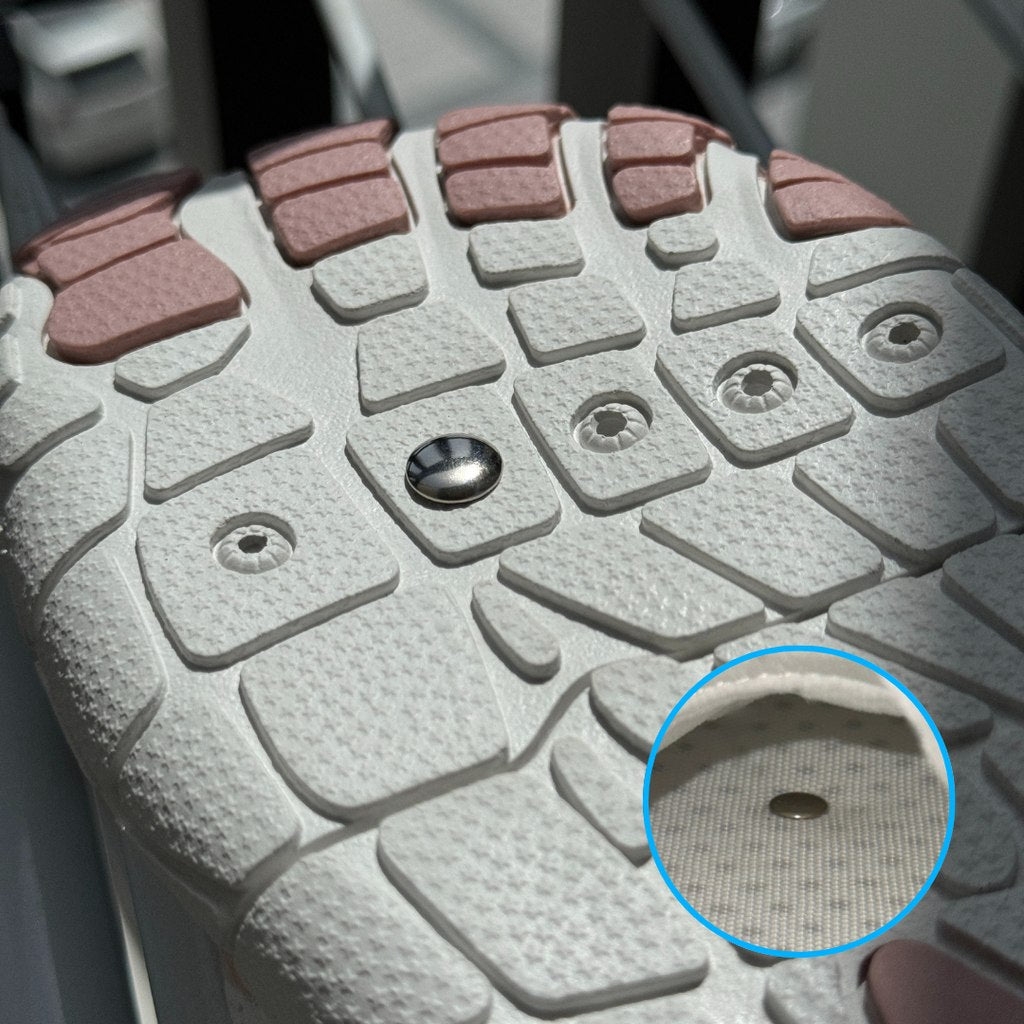
A copper plug set into the outsole. Copper conducts, so it keeps a path between your foot and whatever you are standing on. The upper is breathable mesh; some runs use a coated synthetic for wet weather.
With footwear partners in Asia who build barefoot lasts specifically, working to a pattern developed with designers who fit this category rather than adapting a running shoe.
A lot of people with it tell us the wide toe box and the level sole help. It is not the same for everyone and it is not a treatment - if you are being seen for it, ask whoever is treating you before you switch.
Flat feet often do well in a barefoot shoe, because the arch gets asked to work instead of being held. If you want more underfoot you can add your own insole.
Orders leave within one to two business days. Delivery is typically five to twelve business days depending on where you are, and tracking goes out the moment the parcel moves.
Yes. Lift the originals out and drop yours in. Worth knowing that the ones supplied are cut to work with the grounding plug, so a thick replacement will sit between your foot and it.
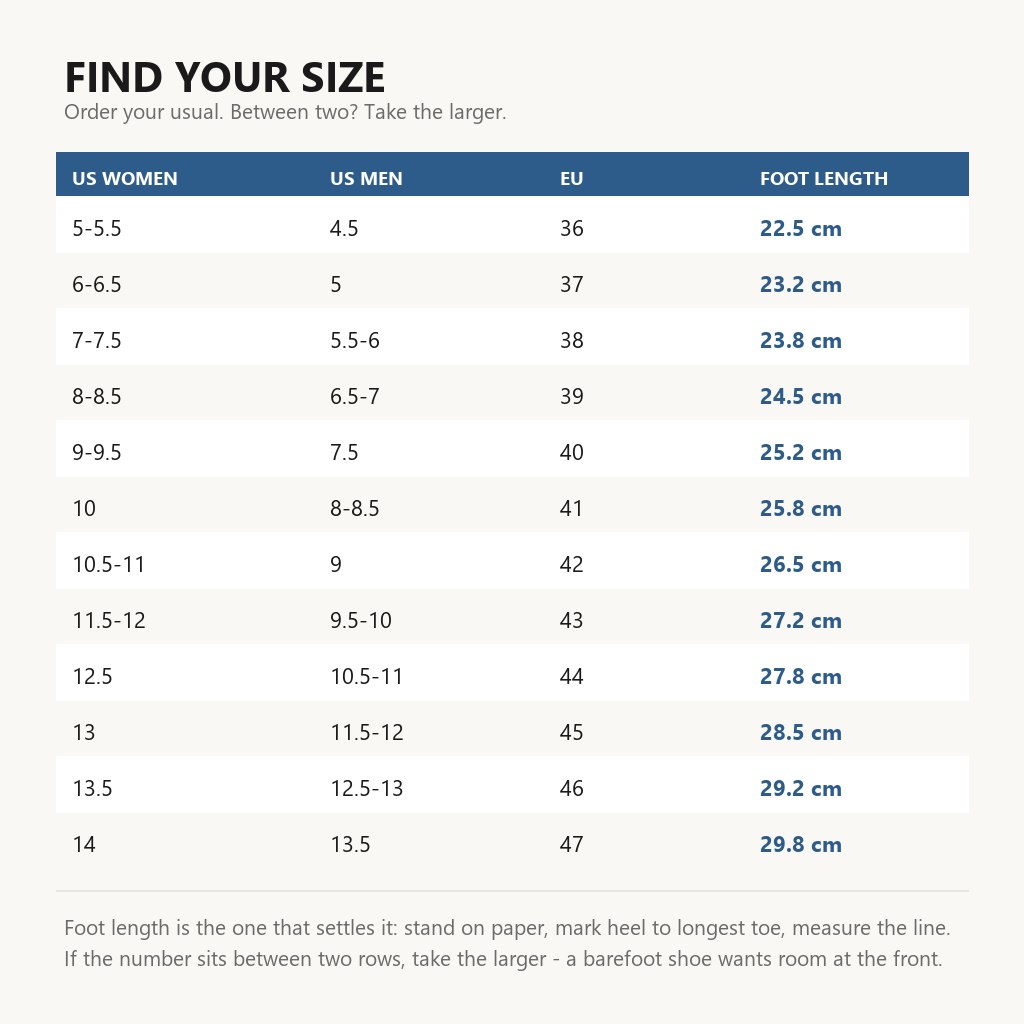
Your usual. If you are between two sizes, take the larger - the toe box is generous but the length is true, and a barefoot shoe wants room at the front.
Send them back within 30 days for a full refund. Sizing is the commonest reason a pair goes back and we would rather swap it than have you keep a shoe that is wrong.
★★★★★ 3,100 PAIRS WALKING
Caregiver, on my feet all shift. Put my own orthotics in and made them my house shoes. Calves ached the first week, then stopped.
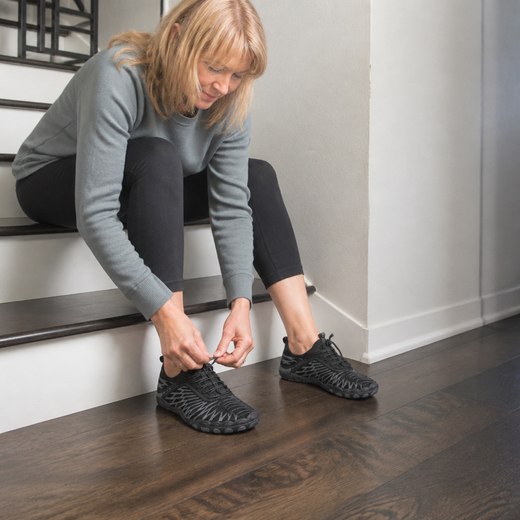
Bought them for sore soles. Did not expect the lower back to settle too, but by week three I had stopped stretching it out.
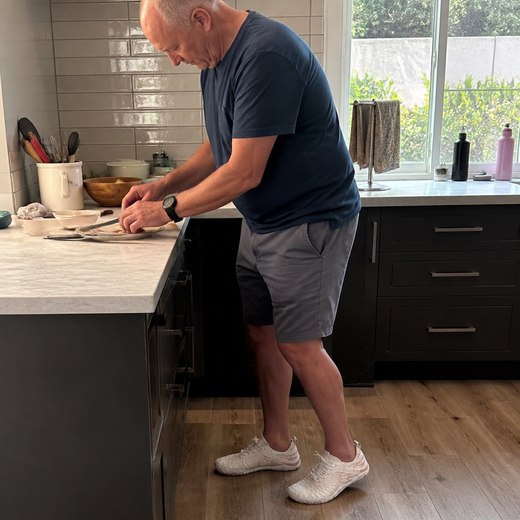
Broad forefoot, and every sneaker I own pinches by lunchtime. These do not. Ordered my normal size and they fit first time.
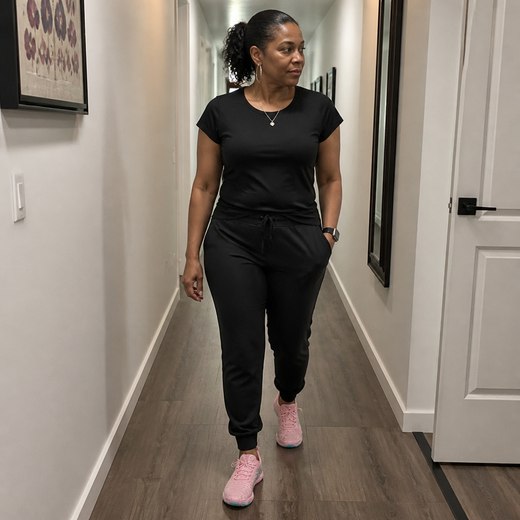
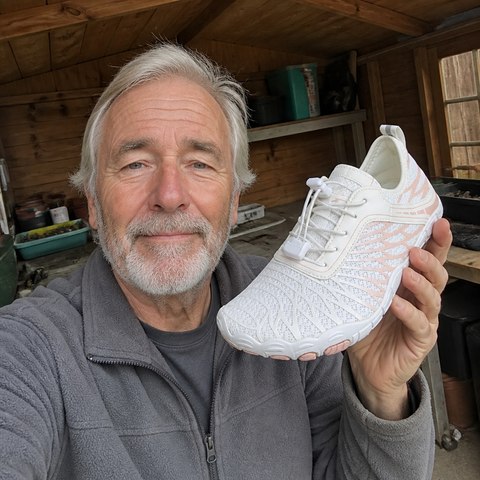
Only pair I wear now and my heels have stopped aching by evening. Getting there took two weeks though - the first days my calves complained on the stairs.
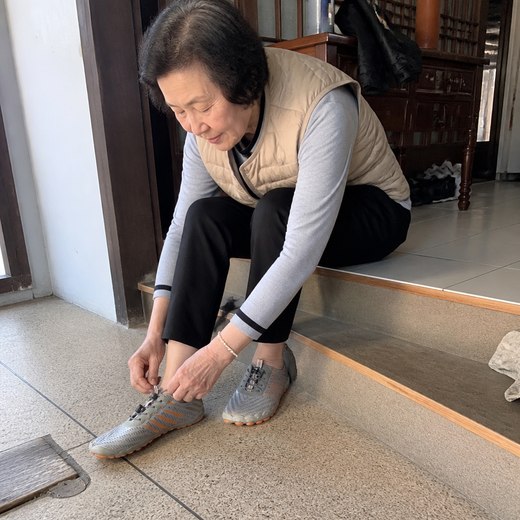
Wore them a week before I trusted them, then wore nothing else. She has already asked me where they came from.
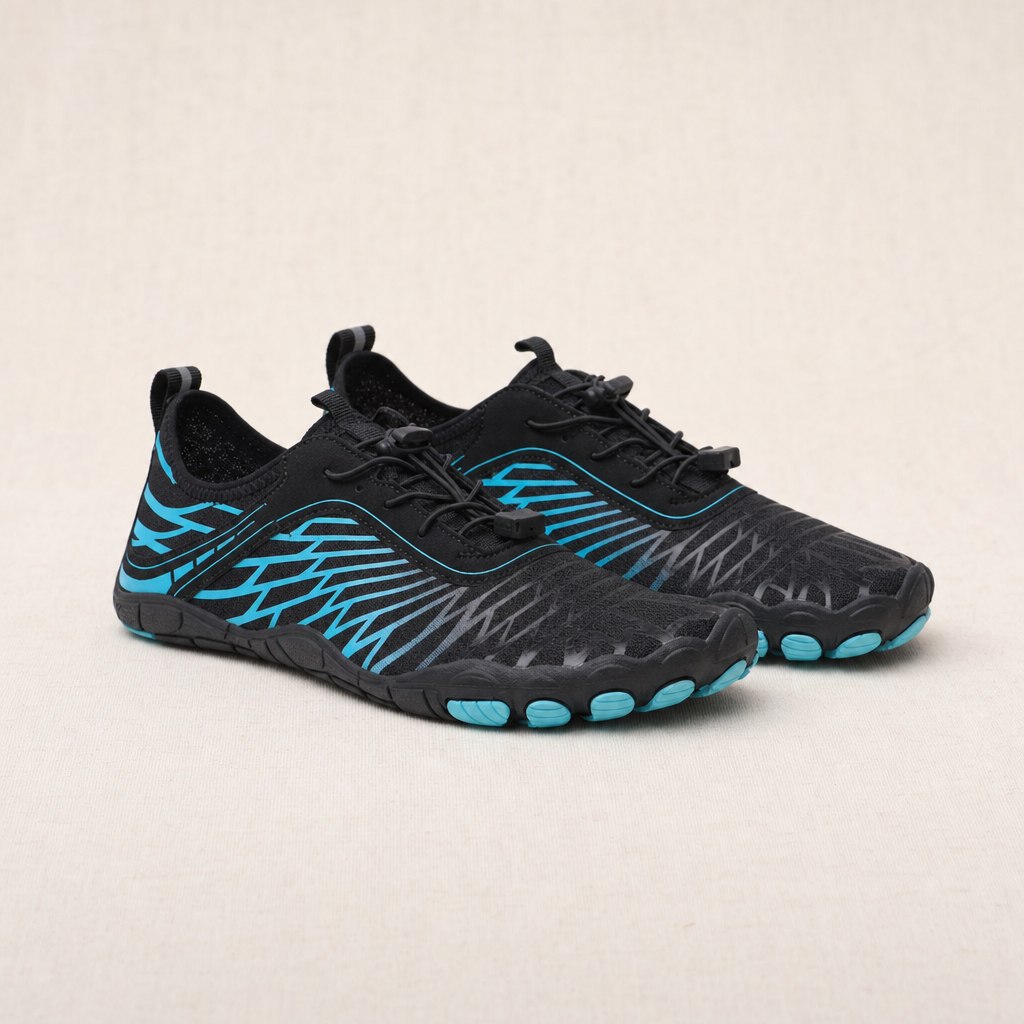
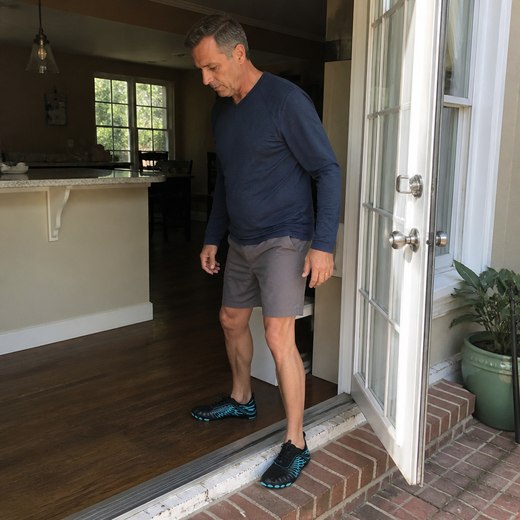 Grounding Barefoot Shoes