

Made three things in the first month
I had not sewn for years. The collection made it easy to just start something.
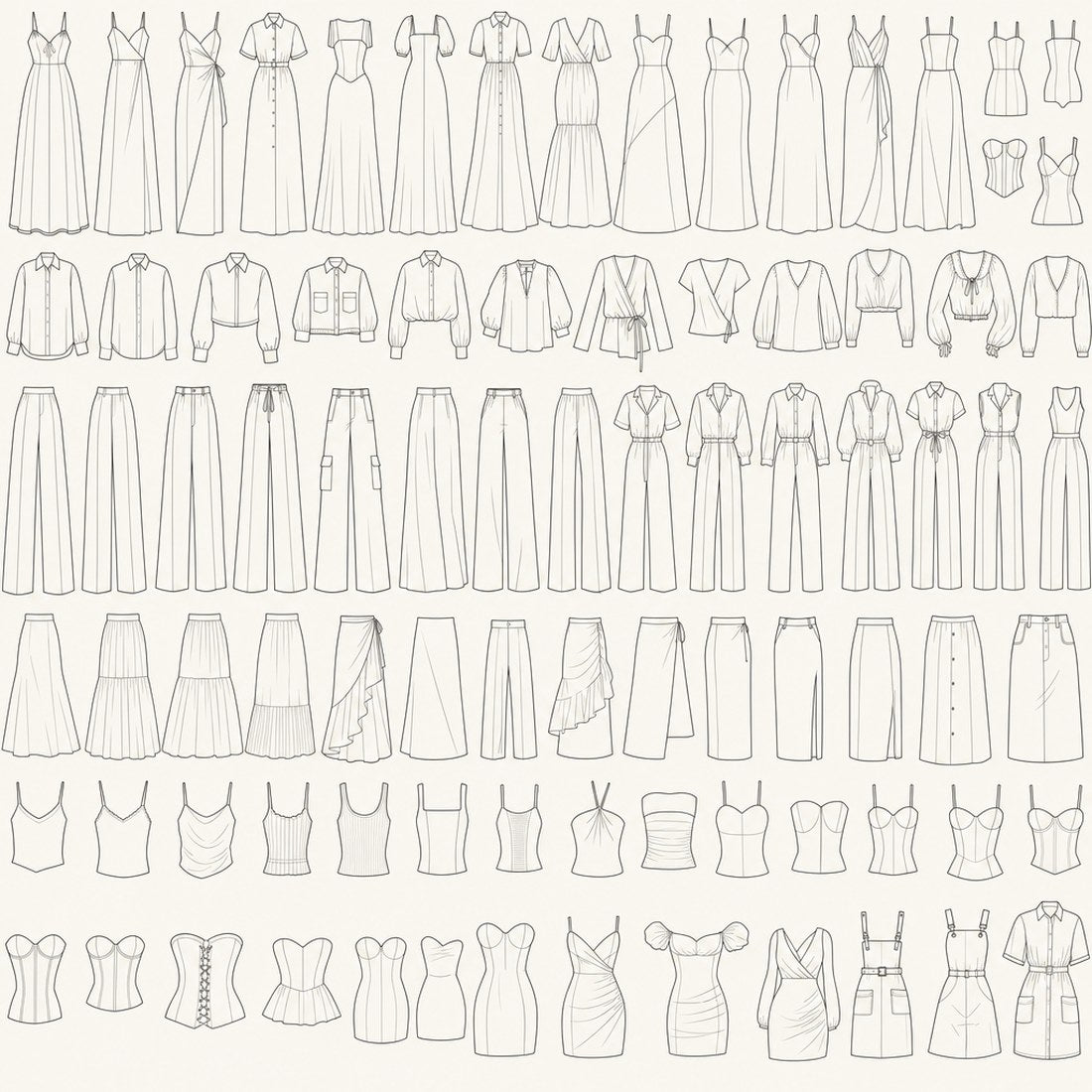
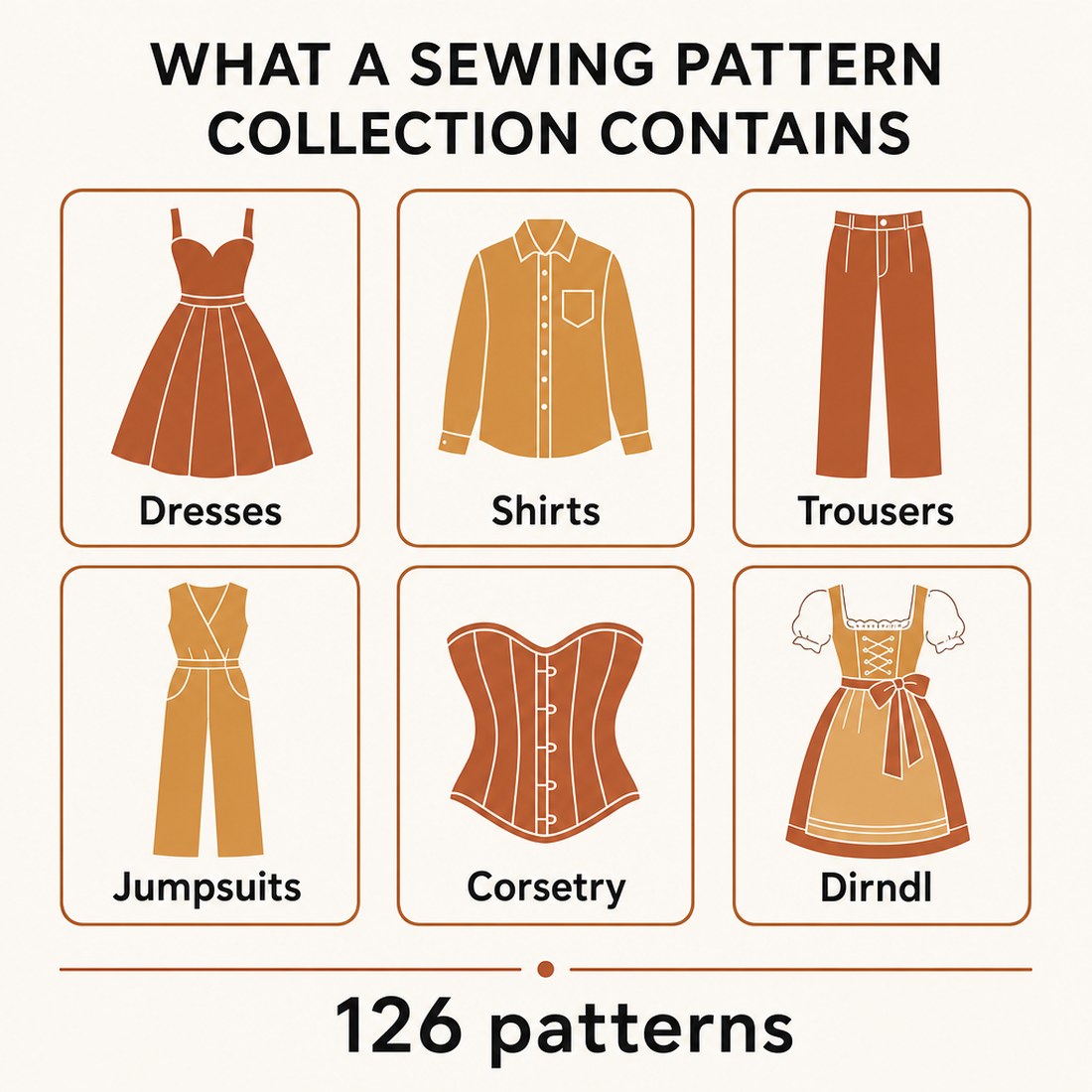
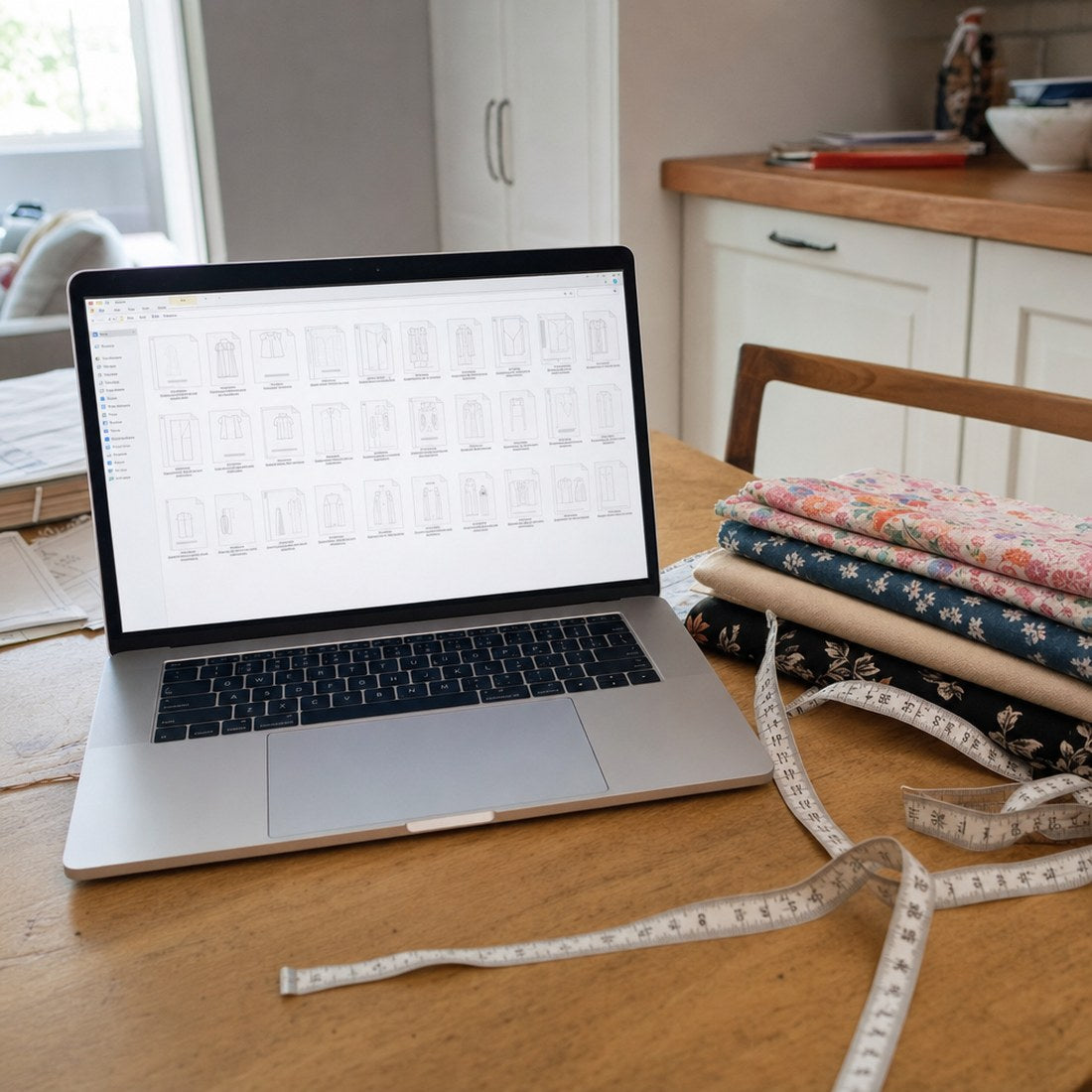
Dresses, shirts, trousers, jumpsuits, corsetry and dirndl. One download, and everything added to the collection from here lands in the same folder.
The collection is at 126 and still growing. New releases are added to your folder at no extra cost.
I had not sewn for years. The collection made it easy to just start something.

Made it in linen, then in a satin. Nobody believes they are the same pattern.

Taping took an evening. The second one took twenty minutes. Worth knowing.
A hundred and twenty-six patterns as it stands: 102 women's, 10 men's, 8 accessories, 4 children's and 2 for dogs.
The women's side is broad - shirts and blouses, wide-leg and tailored trousers, jumpsuits, slip and draped dresses, skirts, camisoles and peplum tops - and it leans harder into corsetry and dirndl than most collections do. If you have wanted to make a properly fitted corset or a traditional dirndl, that is unusually well covered here.
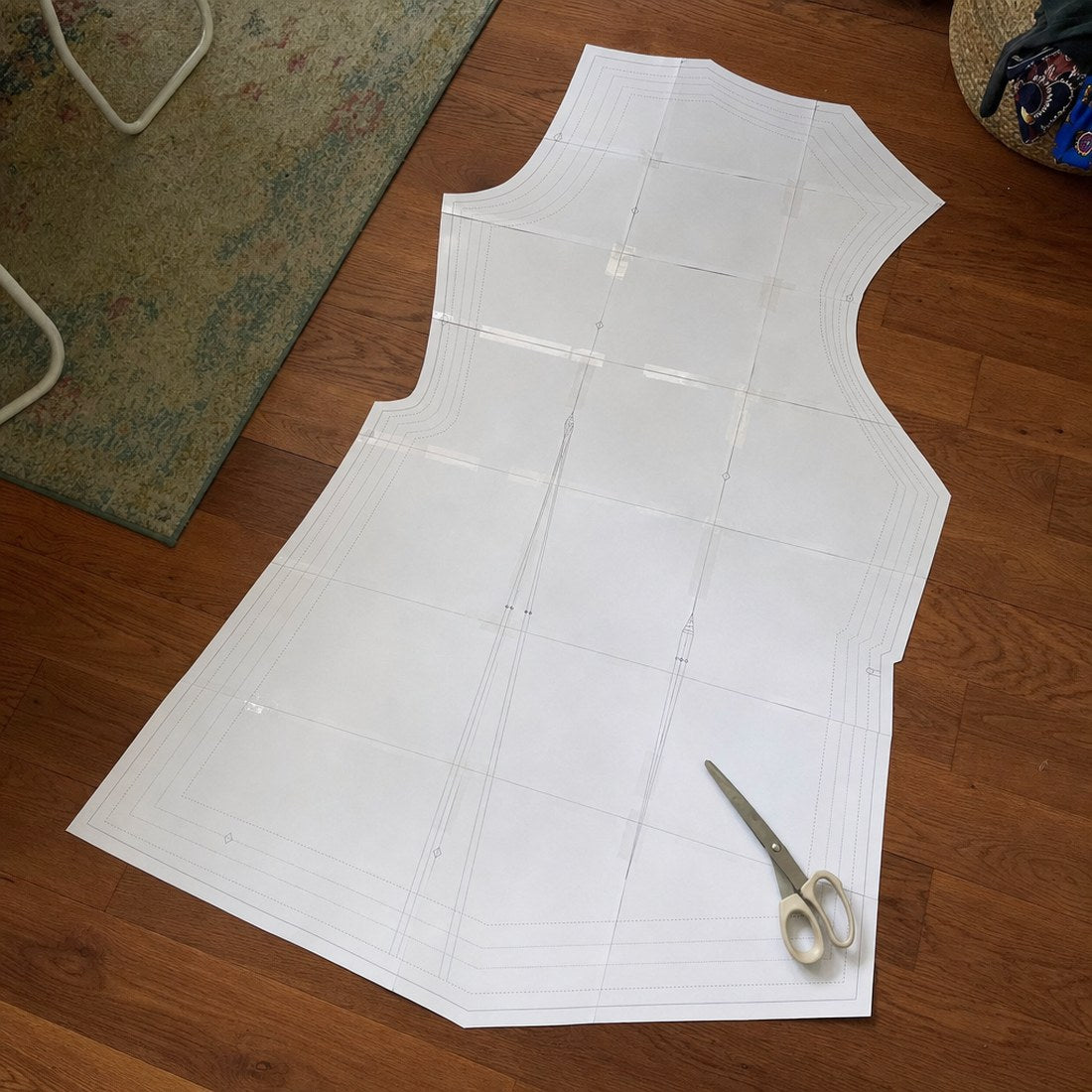
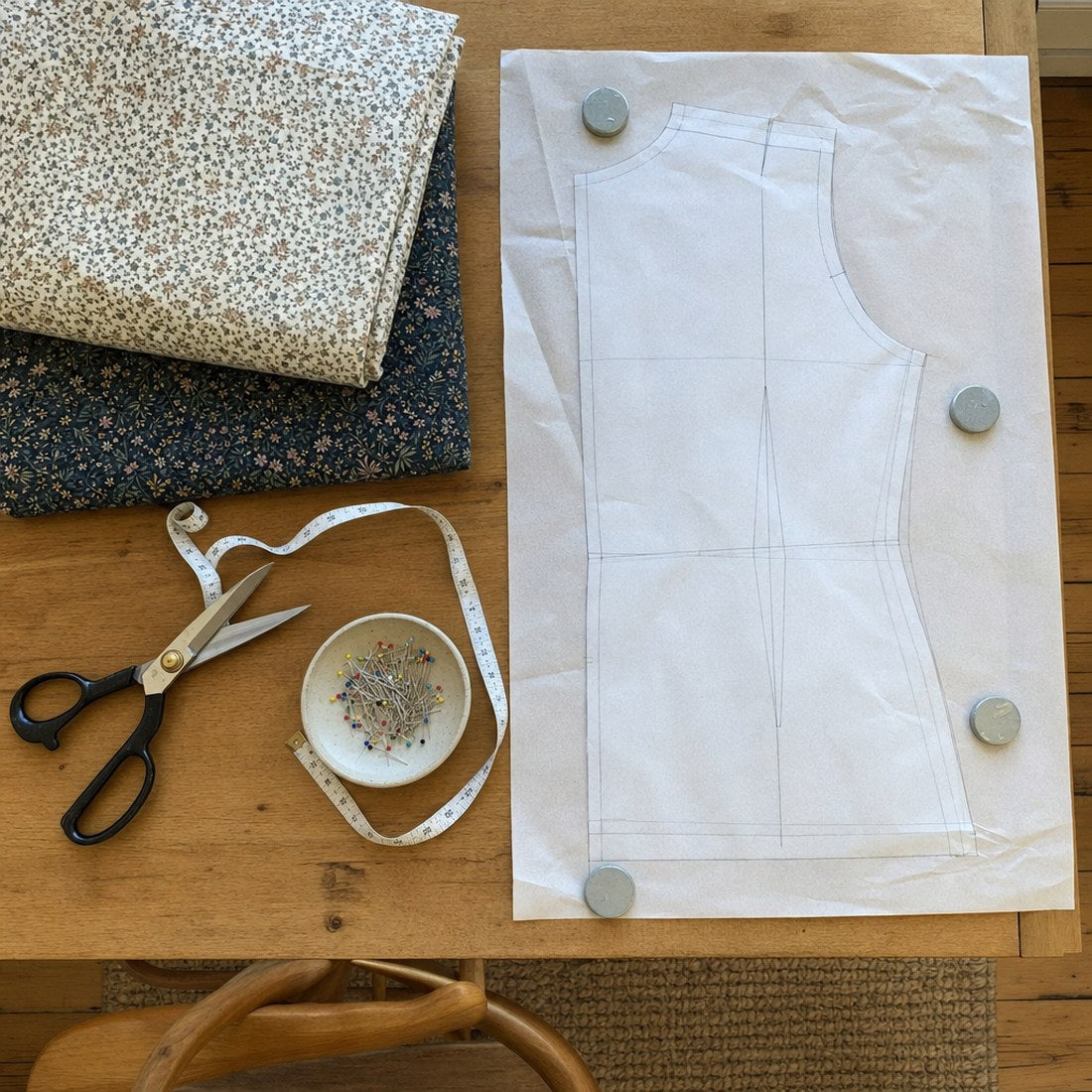
They are PDFs. Most print at home on A4 or US Letter and tape together, and the larger pieces are laid out to be sent to a copyshop if you would rather not tape anything.
Two things worth knowing before you buy rather than after. The first print is the fiddly part - allow an evening for it, and the ones after take a fraction of the time. And a few of the older patterns in the collection do not have a home-print layout or full instructions; if you hit one of those, message us and we will get you the file you need.
Measure before you cut, every time - this matters more with PDF patterns than with envelope ones, because there is no size on the front of a packet to go by.
Take your bust at the fullest point, your waist at the narrowest, and your hips at the widest, and work from the measurements printed on the pattern rather than the size you buy in shops. If you are between two, cut the larger and take it in - with corsetry and fitted bodices especially, that is the difference between a garment that fits and one that does not.
Some of it. The shirts, the wide-leg trousers, the camisoles and the simpler dresses are approachable if you can sew a straight seam and follow a diagram.
The corsetry is not beginner work and we would rather say so. And one thing that catches people out: these patterns do not include seam allowance. You add it yourself when you cut - usually 1cm, more at a hem. If you have only used patterns that include it, that is a real adjustment and worth knowing on day one rather than mid-project.
| Patterns in the collection | 126 |
| Delivery | link with your order |
| Format | PDF, print at home or copyshop |
| Future releases | added free |
Nothing is posted and nothing goes out of print. Seam allowance is not included - you add it when you cut.
Thirty days. If a pattern will not work for you, message us and we will refund you.
You keep the files either way. There is nothing to post back and we are not going to pretend otherwise - we would rather refund you and have you keep them than have an argument about a download.
The fabric is in the cupboard. You bought it because it was lovely and then you needed a pattern, and the pattern was eleven pounds, and by the time it arrived the mood had passed. So the fabric is still in the cupboard, next to the other three pieces you did the same thing with.
Or you found the pattern, and it was close but not quite, and the one you actually wanted was another eleven pounds.
Buying patterns one at a time makes every project a decision. You end up choosing the make you can justify rather than the make you want, and the gap between wanting to sew something and being able to start is where most projects quietly die.
This removes the decision. There are a hundred and twenty-six of them and you already have all of them.
4.6 out of 5 · 300 sewists
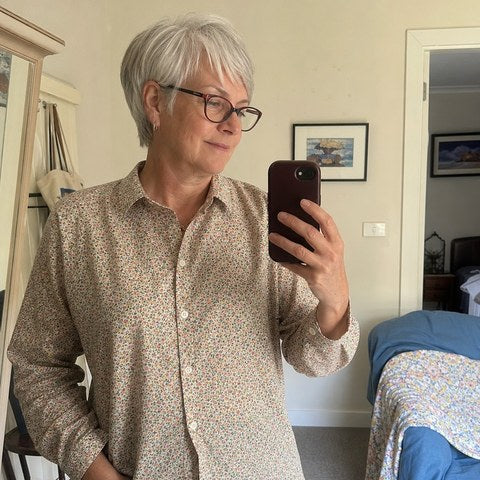
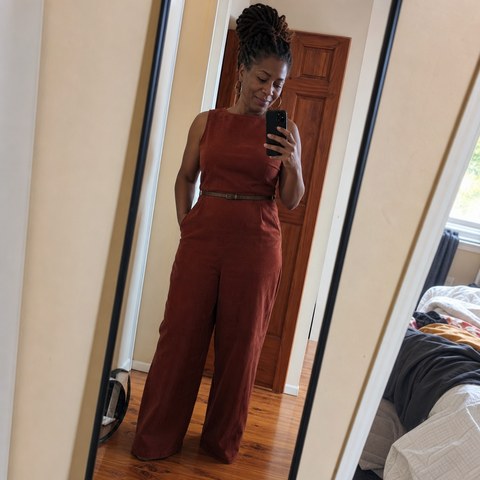
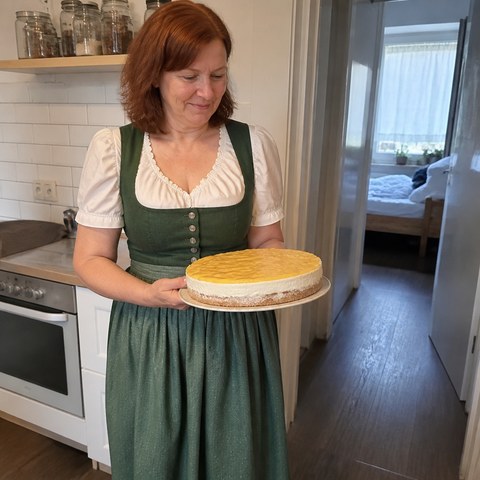
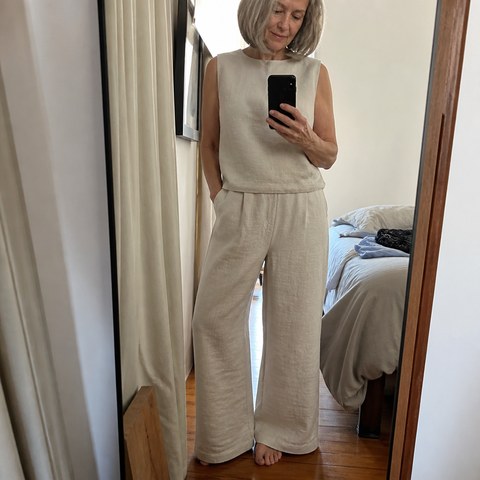
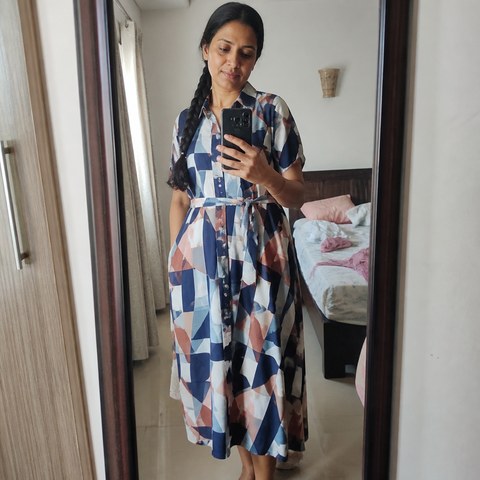
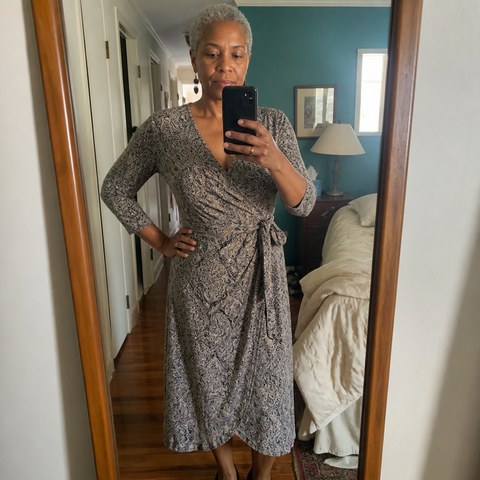
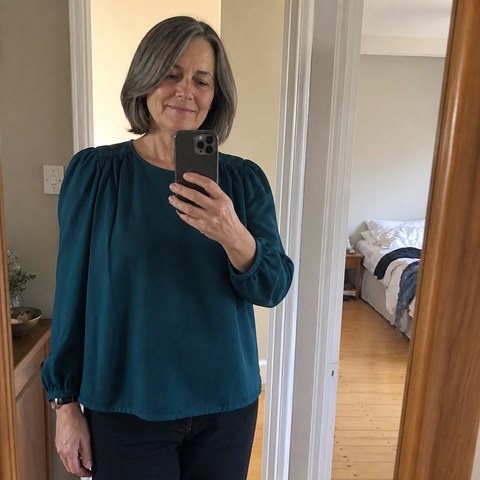

Most pattern purchases are one garment for one price. This is the whole collection for one price, and the number is not fixed - every new pattern added lands in the same folder without another charge. That changes what you make, not just what you own: when the next pattern costs nothing you try the jumpsuit you were not sure about, and the corset you assumed was beyond you, instead of only making the thing you could justify paying for.

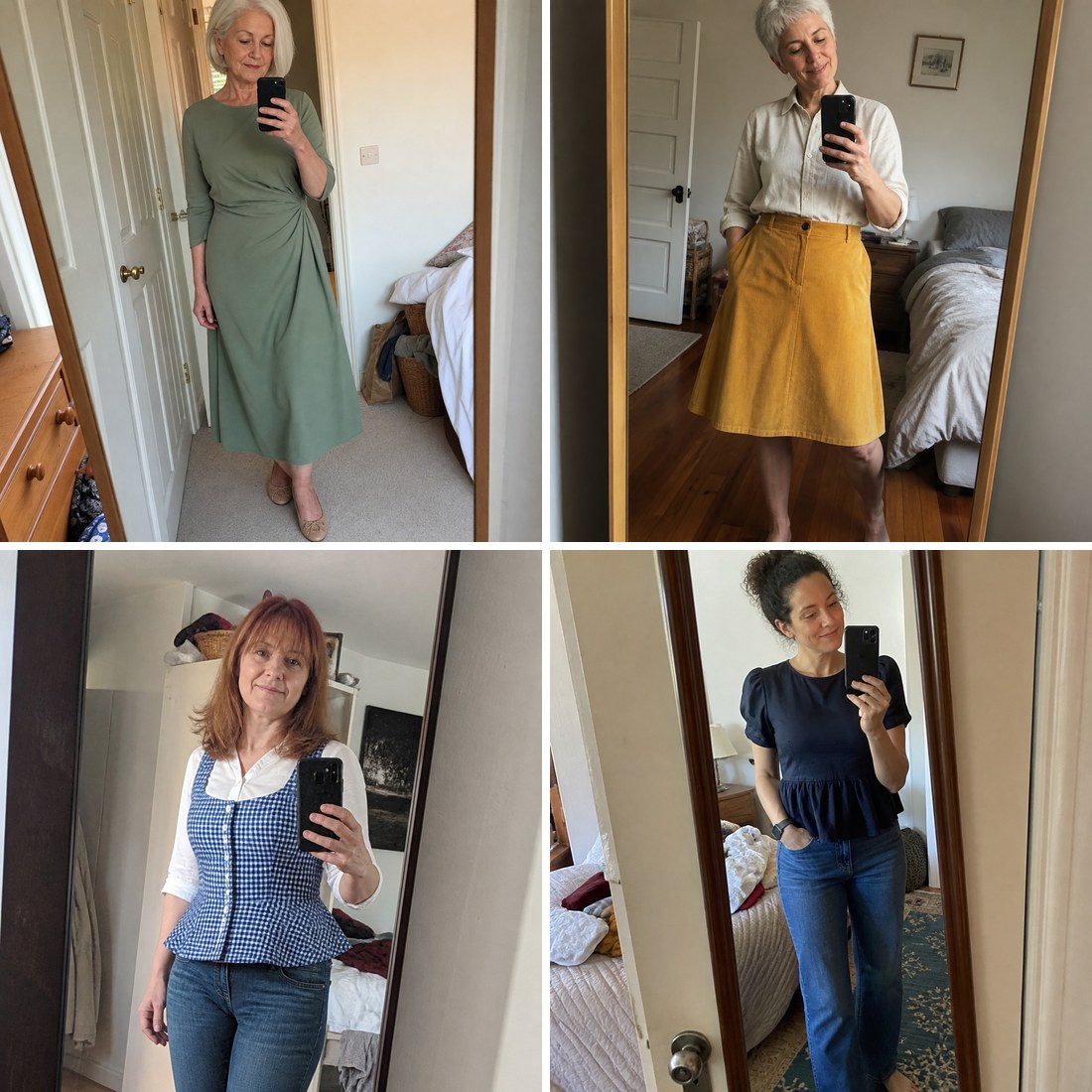
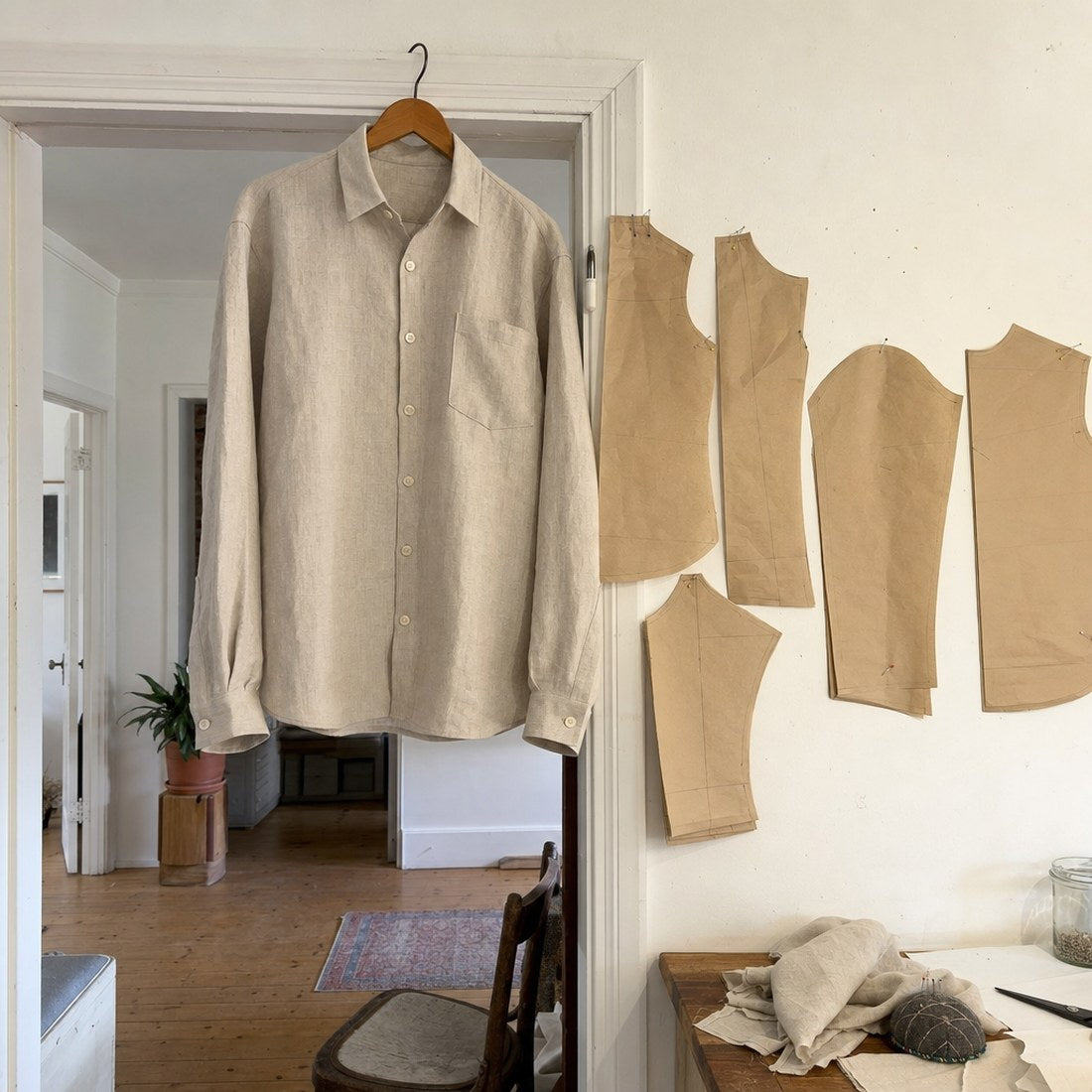
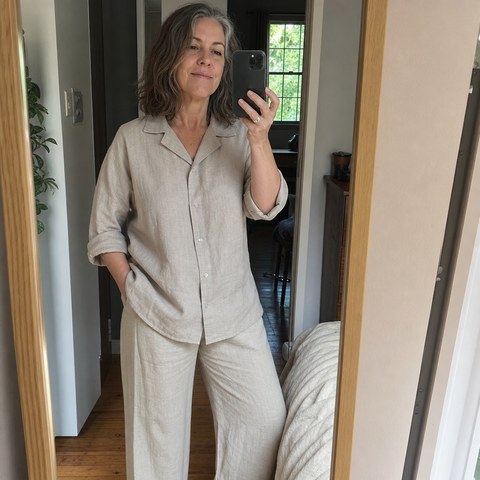
This is the part people underestimate. A shirt pattern cut in heavy linen is a weekend shirt; cut in a ditsy floral lawn it is a blouse; lengthened it is a shirt dress. The pattern is a shape, and the fabric decides what the shape becomes. Two of the photographs on this page are the same pattern made twice, and most people do not spot it until it is pointed out. A hundred and twenty-six patterns is considerably more than a hundred and twenty-six garments.

There is no envelope and no waiting. The link arrives with your order, the patterns sit in one folder organised by garment, and you can open it from a laptop or a phone at the cutting table. Nothing goes out of print and nothing sells out. If you get an idea on a Sunday evening, the only thing between you and cutting fabric is a printer - which is the whole reason this is a download rather than a parcel.
The fiddly part is printing the first one. It is over once, and it gets quicker after that.
4.6 average from 300 people
I had four pieces of fabric in a cupboard waiting for me to justify buying a pattern. Two of them are dresses now.
Dana R., verified buyer
Made the shirt in linen and then again in a floral. Same pattern, and nobody believes me.
Marcus H., verified buyer
The dirndl is the one I bought it for and it is properly drafted - the bodice actually fits.
Priya N., verified buyer
Taping the first pattern together took an evening and I nearly gave up. The next one took twenty minutes.
Ellen V., verified buyer
A link arrives with your order confirmation. It opens a folder with every pattern in the collection, organised by garment type, and you can open it on a laptop, a tablet or a phone.
There is no wait and nothing to post. If the email has not arrived within a few minutes, check the junk folder and then message us.
No. Most of these print on a normal home printer on A4 or US Letter and tape together, and the large pieces are laid out so a copyshop can print them full size if you would rather skip the taping.
Being straight about the exception: a handful of the older patterns in the collection do not have a home-print layout. If you land on one of those, message us and we will sort the right file out for you.
No, and this is the single most important thing to know before you cut. You add seam allowance yourself - usually about 1cm, and more at a hem.
If every pattern you have used included it, this is a real change of habit and it is worth marking your first few pieces carefully. Plenty of drafting patterns work this way; it gives you control over the finish, but only if you know it is coming.
They appear in the same folder. You do not pay again and you do not have to come back and look - the collection you bought is the collection as it grows.
It is at a hundred and twenty-six now. It was smaller a year ago.
Message us within thirty days and we will refund you. You keep the files - there is nothing to send back, and we are not going to make you pretend to delete them.
If the problem is a specific pattern rather than the whole collection, tell us which one. Most of the time it is a print layout or a missing instruction sheet and we can get you a working file the same day.
I had not sewn properly since the children were small and I was nervous about picking it up again. Started with the wide-leg trousers because they looked forgiving, and they were. Then the linen shirt, then the shirt again in a floral. Having them all there took the pressure off choosing.

I have used patterns where the instructions read like they were translated twice. These are laid out step by step with diagrams that match what is in front of you. Made a shirt for myself and one for my brother.

Wanted a proper dirndl and could not find one drafted decently anywhere. This one fits. Then I realised I had a hundred and twenty-five other patterns sitting there and made a jumpsuit I would never have paid separately for.

The shirt in heavy linen, the shirt in a lawn, the shirt lengthened into a dress. It took me a while to understand that a pattern is a shape and the fabric does the rest. That is the thing that made this worth it.

Two things nobody told me. Taping the first pattern together took most of an evening, though the ones after were quick. And these do not include seam allowance, so you add it yourself when you cut - I found that out on the second piece and had to start again. Neither is a dealbreaker but I would have liked knowing on day one.
 126 sewing patterns